March in Cyprus feels like spring has opened the door but hasn’t fully moved in. Spring weather brings mild coastal afternoons, wildflowers across the countryside, and major sights that are far less crowded than in summer.
For UK travellers, I find March in Cyprus offers useful holiday weather for road trips, sightseeing and walks, rather than guaranteed beach heat. Coastal highs around 17°C to 20°C are a broad planning guide, not a forecast. Unlike the summer season, evenings can feel cool, rain is possible, and the sea needs a brave approach.
The island’s weather can change sharply between coastal areas, Nicosia and the Troodos Mountains. They can feel markedly different on the same day, so where you stay matters as much as when you travel.
Cyprus March weather at a glance
Cyprus has a Mediterranean climate, but March remains a transition month, as this monthly weather overview shows. A bright morning can give way to a brief shower, while a cool start often becomes a comfortable T-shirt afternoon.
Long-term averages suggest around seven to eight sunshine hours a day, although that is an average rather than a guarantee of clear skies. Daylight lasts close to 12 hours, giving you plenty of time for archaeological sites, coastal walks and village lunches.
The March Cyprus weather guide from TUI gives a general monthly guide, with island-wide temperatures from 11C to 19C and about 40mm of rain in March. A single average temperature is less useful than that range; Cyprus Meteorological Service and Visit Cyprus both highlight local variation. Rainfall patterns vary, with the south-east generally drier than western and Troodos areas.
March rewards a flexible plan. Keep a coastal walk for the clearest day and have a museum, winery or village lunch ready when rain arrives.
Rain rarely means a lost day. Showers can interrupt a plan without cancelling it, especially on the coast, although wetter spells can settle in during some weeks. The figures inform later packing tips: pack for sun and rain, then check the local weather forecast shortly before outings.
Temperatures vary between the coast and Troodos
Cyprus is compact, yet its microclimates are real. The coast benefits from sea-level conditions, Nicosia can feel warmer by day, and the Troodos Mountains stay much colder because of elevation.
These indicative March averages help compare daytime temperatures, but they aren’t guaranteed daily high temperatures for your travel dates.
| Area | Typical daytime high | Typical night temperature | March feel |
|---|---|---|---|
| Paphos | 17C | 9C | Mild, breezy and changeable |
| Limassol | 17 to 20C | 9 to 11C | Pleasant coastal spring |
| Larnaca | 17 to 20C | 9 to 11C | Often sunny and fairly dry |
| Nicosia | 19 to 20C | Cooler after dark | Warmer afternoons inland |
| Troodos | Around 10C | Near 3C | Cool, wet and sometimes wintry |
The main takeaway is simple: a warm-looking Paphos forecast doesn’t mean mountain weather will match it.
Coastal resorts suit light layers
Paphos, Limassol, Larnaca and Protaras usually offer the most dependable conditions for a March base. At midday, a long-sleeved top or light shirt may be enough in the sun.
However, exposed promenades and archaeological sites catch the wind. Take a thin insulated layer or fleece for changing evening conditions, sunset drinks and early starts.
Nicosia and the mountains need different clothing
Nicosia often feels warmer than the coast during the afternoon because it sits inland. Evening conditions can turn cooler quickly after sunset.
Higher ground is a separate weather zone. The official Cyprus climate and weather information also notes that sea temperatures remain only 16 to 17C during the winter months. Mountain areas can feel colder still, particularly after rain, so pack a fleece or waterproof even when the coast is sunny.
Sunshine, rainfall and sea temperatures
March gives Cyprus a strong dose of spring sunshine, but it is not summer. You may eat lunch outdoors in bright sun, then need a waterproof before dinner.
Rainfall is usually lower around Larnaca than in the west or mountains. Paphos and Polis can see more showers, while Troodos receives substantially more rain than any coastal resort. That variation makes a hire car especially useful.
Is the sea warm enough for swimming?
The sea temperature hovers around 16 to 17C in March, according to Visit Cyprus climate information. Coastal locations and weather can cause slight variation.
Hardy swimmers may enjoy a quick dip, especially on a calm, sunny day, but most visitors will find it cold. Water-based activities are best suited to brief dips rather than long swims.
A hotel with a heated pool is a sensible choice if swimming matters. Beach activities still work well for walks, cafés and reading in sheltered spots. I wouldn’t choose March for a sea-focused holiday.
Sun protection still matters
March sun catches out travellers arriving from a grey British winter. Travellers sensitive to muggy conditions can check air humidity alongside the forecast, although March is rarely oppressive.
One of my most useful packing tips is to carry sun protection even on a changeable day. Bring sunglasses, sunscreen and a refillable water bottle, even if a light shower is possible later.
Paphos and Akamas are made for spring exploring
Paphos is one of my favourite March bases because it combines coastal paths, historic sites, restaurants and easy access to the west. In my experience, Paphos weather and a coastal breeze make sightseeing comfortable, while the harbour feels lively without peak-season crowds.
The Paphos Archaeological Park and Tombs of the Kings are historic sites that reward an unhurried morning. The Roman mosaic floors and tombs are exposed, so start early, carry water and wear sunglasses. March’s milder temperatures make both easier to explore than in July or August.
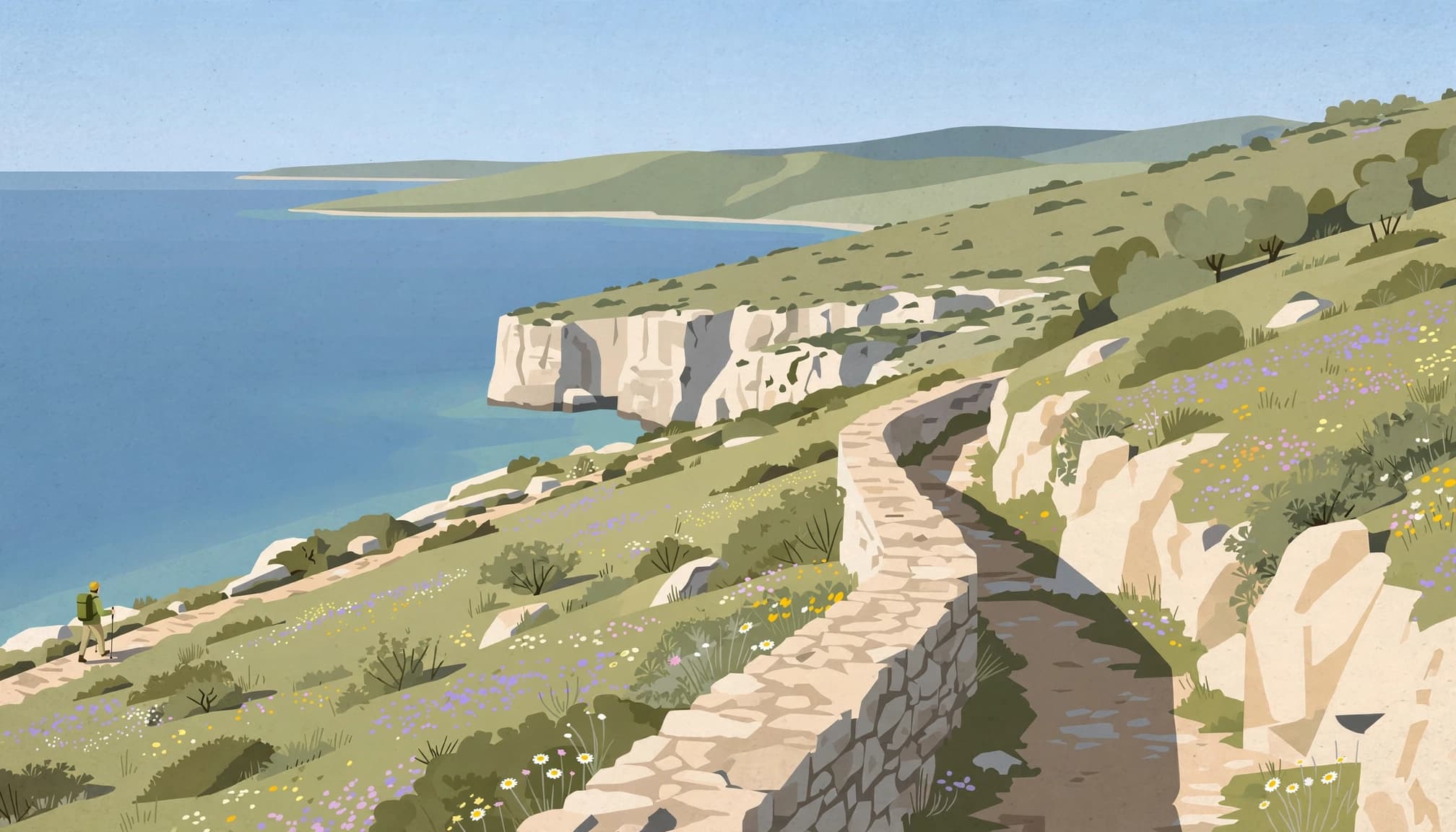
Follow the coast towards Peyia
The path around Paphos Castle, the lighthouse and Tombs of the Kings is an easy way to spend a clear afternoon. Coastal paths near Peyia can feel windy even when the harbour is calm. For wider sea views, drive towards Peyia, Coral Bay and the sea caves.
Aphrodite’s Rock, between Paphos and Limassol, is another worthwhile stop for a short walk and photographs, rather than a long beach stay in March.
Use a clear day for Akamas
Akamas Peninsula can be especially appealing when spring greenery and wildflowers appear, though conditions vary by date. The drive to Lara Beach and paths near the Baths of Aphrodite can be rough, so check recent rain and confirm your hire-car insurance covers unsealed roads.
March weather in this western corner can change fast, so download offline directions and carry snacks. Turn back if mud or rising water makes a route unsafe.
Larnaca, Protaras and Limassol offer easy coastal days
The south-east coast offers a practical alternative to a western itinerary, with a mix of cities, beaches and open landscapes. Larnaca suits a relaxed city break, while Protaras and Ayia Napa appeal to travellers seeking sea views, quieter beaches and straightforward drives.
Larnaca and the eastern coast
Larnaca’s palm-lined seafront is pleasant for morning coffee and a long stroll. Visit the Church of Saint Lazarus, then continue to Mackenzie Beach for lunch beside the water.
March is still the off-season, so check individual attraction opening hours and restaurant details before travelling. Evening activity can also be limited outside the main resort areas.
Further east, Cape Greco has rocky cliffs, sea caves and marked paths. Its exposed trails are better suited to sturdy trainers than sandals, particularly after rain. Protaras is generally quieter in March than during school holiday periods, which suits couples and walkers.
Limassol for food, history and day trips
Limassol is a useful middle-ground base. Its old town, marina and long promenade make a wet morning easy to fill, while the surrounding region opens up wine villages and major historic sites.
Kourion, west of the city, deserves a clear morning. The Greco-Roman theatre sits high above the sea and has exceptional views, although the clifftop wind can be sharp. I’ve found the sea views especially dramatic in a brisk breeze, so bring a jacket even on a sunny day.
For easier driving, group Larnaca, Cape Greco and Limassol into separate outings rather than attempting all three in one rushed day. Check opening times and evening restaurant hours as part of your planning.
Troodos Mountains bring a different March season
A March day in Troodos can feel like late winter. Temperature, cloud, wind and ground conditions can change quickly with elevation. Higher areas are often cooler, cloudier and wetter than the coast, with daytime temperatures around 10C.
That doesn’t rule out a mountain day. A sunny coast doesn’t guarantee suitable mountain conditions. Treat it as a separate trip, with warmer layers and more careful timing.

Choose lower walks after wet weather
Pine forests, spring streams and almond blossom give the area plenty of natural beauty. Yet rain can leave trails muddy and shaded bends slippery, while cloud can reduce visibility.
The official hiking in Cyprus guide includes routes across Troodos and other regions. Check local weather conditions and official road, trail and attraction updates before setting out, especially after heavy rain.
Pair village stops with the forecast
Omodos, Kakopetria, Kalopanayiotis and Platres are sensible alternatives when poor visibility affects the higher roads. Visit a village café instead of forcing a summit walk.
For painted churches, allow extra driving time and dress modestly. The painted churches form a UNESCO World Heritage group, and the Cyprus cultural heritage guide offers useful background before you go.
Ancient sites and outdoor activities work well in March
Mild temperatures make March one of the best months for open-air history. You can walk wide archaeological sites without the exhausting heat that defines a Cyprus summer afternoon.

Plan historic sites for the morning
Start early at Paphos Archaeological Park, Kourion, Choirokoitia or Ancient Amathus. Morning light is better for photographs, and you will have time for a leisurely lunch afterwards.
Check opening hours and the weather forecast directly before travel. Seasonal schedules, maintenance closures and public holidays can affect access, even on a clear day.
Make the most of spring colour
Lowland trails near Cape Greco, the Avakas Gorge area and Akamas often show their greenest side in March. Wildflower displays depend on winter rainfall, so they cannot be guaranteed, but spring is usually far more colourful than late summer.
Colour and walking comfort are subjective impressions, while route details should come from official trail information. For longer walks, use the official Cyprus nature trails guide to match distance and difficulty to your plans. On narrow routes, including the Avakas Gorge area, wear shoes with good grip and check whether access conditions have changed. Avoid narrow gorges during heavy rain or immediately afterwards.
Pack for changing weather, not for midsummer
The most useful packing tips are simple: dress in layers and prepare for both sun and rain. A Paphos walk may start in a fleece, warm up by lunch, then turn cool at the harbour after sunset.
These are the items I found useful:
- For coastal sightseeing, a lightweight waterproof jacket with a hood works better than an umbrella in coastal wind.
- Trainers or walking shoes with grip for archaeological sites, uneven paths and mountain villages.
- T-shirts and long-sleeved tops that work together across changing temperatures.
- One warm layer, such as a fleece or light jacket, for cooler evenings, windy promenades and lower-elevation mountain stops.
- Sunglasses, sunscreen and a hat for bright afternoons.
- Swimwear if your hotel has a heated pool, but don’t expect warm sea swimming in March.
- A small day bag for water, snacks, tissues and an extra layer.
- A reusable water bottle and compact first-aid kit for longer walks and wet paths.
- Offline maps saved to your phone before visiting archaeological sites or heading into the Troodos Mountains.
A portable charger also proved useful on long sightseeing days. Navigation, parking information and photography can drain a phone faster than expected.
Build a flexible March itinerary around the forecast
A five-night trip works best as a flexible framework, not a fixed promise. Base yourself in Paphos or Limassol for a first visit, then combine coast, mountains and archaeology. Check the forecast again the evening before and on the morning of any longer drive.
A practical five-day shape
Spend your clearest day in Akamas, Cape Greco or on a longer coastal walk. On rainy days, swap outdoor plans for Paphos old town, Larnaca or Limassol, plus museums, wineries, city walks and village lunches.
Use another clear morning for Kourion or Paphos Archaeological Park. Choose Troodos only when the mountain weather forecast and local updates suggest good visibility, safe roads and suitable trails. The official Cyprus itinerary ideas can help you group sights by area, so you don’t waste time crossing the island between stops.
If you’re hiring a car, allow extra time on mountain roads and check parking at popular sites.
Keep planning with Cyprus Travel Hub
For a fuller March trip, these guides pair naturally with this itinerary:
- Paphos archaeological sites and coastal walks
- Troodos villages to visit when the forecast allows: Kalopanayiotis and Lefkara
- A dry-day outing to Lara Beach from Paphos
- Seasonal comparison: best winter sun destinations in Cyprus
- The best beaches near Protaras and Ayia Napa
- Cyprus wineries and village tavernas
- Hiring a car in Cyprus: driving and parking tips
Where possible, choose accommodation with free cancellation, but don’t assume every property offers it. March weather is usually pleasant. Flexible plans and the packing tips above make it easier to switch a beach-facing plan for a mountain village or city break.
Practical Questions About March in Cyprus
Is Cyprus warm in March?
Coastal daytime temperatures usually range from around 17C to 20C, although evenings can feel cool. Nicosia is often warmer by day, while the Troodos Mountains are much colder and can be wet or wintry.
Does it rain in Cyprus in March?
Rain is possible, particularly in western Cyprus and the Troodos Mountains, but showers are often brief. Pack a lightweight waterproof and keep indoor alternatives ready for changeable days.
Is the sea warm enough for swimming in March?
The sea temperature is usually around 16 to 17C, which most visitors will find cold. Hardy swimmers may manage a quick dip, but a heated hotel pool is a better choice if swimming matters.
Where is best to visit in Cyprus in March?
Paphos, Limassol, Larnaca and Protaras offer mild coastal conditions, historic sights and easy walking. Choose a clear day for Akamas, Cape Greco or Kourion, and visit Troodos only when mountain conditions and road updates are favourable.
What should I pack for Cyprus in March?
Bring layers, a light fleece or jacket, a waterproof, comfortable shoes, sunglasses and sun protection. Add a reusable water bottle and an extra warm layer for evening walks, windy coastal areas and mountain villages.
A March trip rewards curiosity
Cyprus in March is at its best as a spring destination. Mild coastal days, quieter ancient sites and greener countryside make island exploration especially rewarding on a flexible trip.
Pack layers, check regional forecasts and plan the coast and mountains separately. Personally, I find Cyprus March weather most rewarding when those plans stay flexible, with seasonal highlights rather than a guaranteed beach holiday.