The best part of Cape Greco is how much it fits into one outing. It offers high white cliffs, carved sea caves, clear water, easy viewpoints and a sandy bay nearby, all within a short stretch of coast.
Cape Greco, also spelled Cavo Greco, sits between Ayia Napa and Protaras. For anyone staying in Ayia Napa or Protaras, this is one of the easiest trips to add to the plan. A little prep helps, because some stops are quick photo spots and others reward more time on foot.
The best Cape Greco viewpoints and sea caves in Cyprus
For a first visit, the simplest route is Love Bridge, the Cape Greco viewpoint, the sea caves, Blue Lagoon, and then Konnos Bay for a beach break. That line-up gives the best mix of big views, easy access and water time.
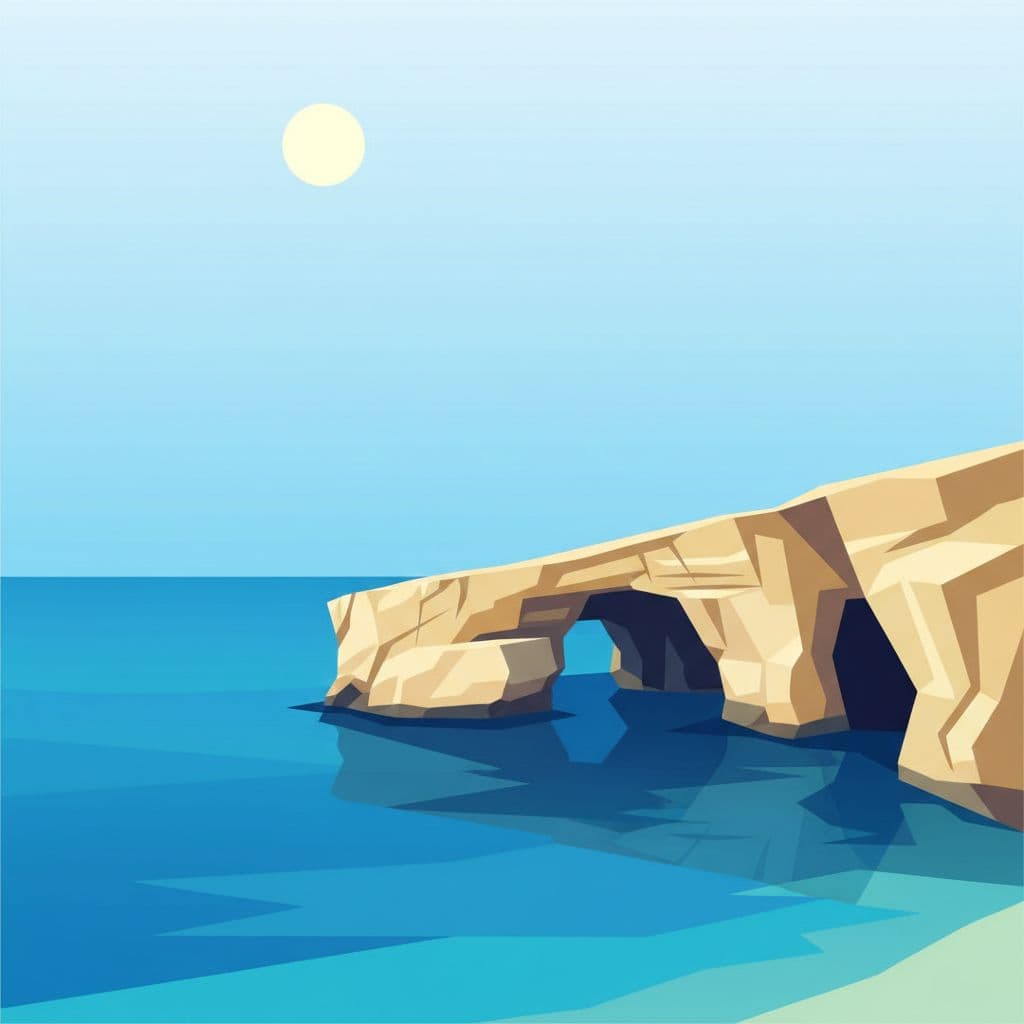
This quick table helps with choosing where to stop first.
| Spot | Best for | Best time | What to know |
|---|---|---|---|
| Love Bridge | Photos and an easy first stop | Sunrise or late afternoon | Natural arch, exposed rock, short walk |
| Cape Greco viewpoint | Wide coastal views | Late afternoon or sunset | Best big-picture look at the cape |
| Sea caves | Cliff scenery and cave openings | Morning on calm days | Better seen from above and from the water |
| Blue Lagoon | Swimming and snorkelling | Morning to early afternoon | Clearest water when the sea is calm |
| Agioi Anargyroi | Landmark and water access | Morning | Church, steps, nearby caves |
| Konnos Bay | Sand and a gentler swim | Mid-morning | Good contrast to the rocky coast |
Most visitors won’t need every stop in one go. If time is tight, Love Bridge, the main viewpoint and Blue Lagoon give the strongest first impression.
Love Bridge and the first cliff stop
Love Bridge, also called Kamara tou Koraka, is the place most people picture first. It’s a natural stone arch stretched over the sea, and it has that clean, bright look that makes Cape Greco feel almost unreal in strong sun.
The stop works well because it asks little of visitors. Park nearby, walk a short distance and get a dramatic scene straight away. Early light makes the rock look softer, while late afternoon gives the water a deeper blue.
We need to stay sensible here. The edges are rough, there are no soft landings, and the best angle for a photo often sits near a drop. A few minutes is enough for many travellers, but photographers may want longer.
The viewpoint, sea caves and Blue Lagoon
The Cape Greco viewpoint gives the wider picture: the long line of coast, the broken rock shelves and the open Mediterranean all at once. This is the stop that makes the scale of the cape click.
From there, the sea caves are the next natural move. These aren’t cosy little grottoes with handrails and signs. They are openings gouged into the cliff base, shaped by waves over time. From above, the rock splits and folds into the water. From the sea, the caves feel larger and more dramatic.
That difference matters. Looking only from the cliff edge shows the shape of the coast. Seeing the caves by boat or kayak shows how the sea has hollowed them out. When the water is calm, boat and kayak tours around Cape Greco National Forest Park give a better view of the cave mouths and the colour of the water below the cliffs.
Blue Lagoon is the softer side of the cape. The cliffs still frame the scene, but the focus shifts to water instead of rock. On a calm day, the water is clear enough to make a quick swim hard to resist. For one stop dedicated to swimming, this is usually it.
Agioi Anargyroi and Konnos Bay
Agioi Anargyroi adds a different mood. The small white chapel sits above the water and breaks up the raw cliff scenery with a human landmark. There are steps down towards the sea, and the nearby caves make the area feel more varied than a simple viewpoint.
It suits travellers who like short stops with a bit of contrast: a photo of the chapel, a look at the rocky shore and access to the water without committing to a longer walk.
Konnos Bay is the reset button. After the sharp edges and open rock of the Cape Greco cliffs, this sandy bay feels calmer and easier. For anyone not keen on cliff paths, Konnos often ends up being the favourite stop of the day.
That contrast is part of the area’s appeal. Within one outing, you can move from exposed limestone ledges to a sheltered beach without spending half the day in the car.
Why this coast is worth more than a quick photo stop
Cape Greco works because the landscape keeps changing. One minute it’s pale rock that looks dry and harsh underfoot. A few minutes later, the sea turns glassy and bright, and the whole place feels lighter.
The shape of the coast does most of the work. The cliffs aren’t one long wall. They rise, break, dip and open into caves, shelves and coves. That gives the area rhythm, which is why even a short drive between stops feels fresh.
I also like the balance between access and drama. Some coastal beauty spots lose their charm once they get too easy. Cape Greco avoids that — you can reach the main sights without a big hike, yet the ground still feels raw enough to be memorable.
Because of that, the area suits different kinds of trips: keep it simple with two viewpoints and lunch, turn it into a longer coastal day with swimming and a beach stop, or even make it the scenic core of a wider east-Cyprus itinerary.
The cape also rewards slowing down. Many travellers rush in, grab a few photos and move on. That works, but it misses the point. The better approach is to give each stop a little space, listen to the wind, and watch how the rock changes colour as the light shifts.
Walking, driving and seeing the caves from the water
Most visitors explore Cape Greco by car, scooter or taxi, then walk short distances between parking areas and viewpoints. That keeps the day flexible — if one stop feels busy or windy, you can move on quickly.
Walking makes sense for anyone who wants the coastline to join up rather than feel like separate pins on a map. The cliff paths are the best way to notice small changes in the rock, the angle of the sea and the quiet stretches between headline spots. Even so, treat these as rough coastal paths, not promenade strolls.
A boat trip changes the whole experience. From the water, the cliffs look taller and the caves look deeper. Blue Lagoon also makes more sense from that angle, because you can see how the rocky coast gives way to clear, inviting water. This option is best when the sea is calm and long walks in the heat don’t appeal.
For independent exploring, it helps to save the main stops in a map app before setting off. Several pins in the area have similar names, and mobile signal can be patchy in exposed spots. A loose order keeps the day smooth: Love Bridge first, then the main viewpoint, then sea caves, Blue Lagoon and Konnos if time allows.
For a sense of what recent visitors are saying about access and crowd levels, the latest Sea Caves visitor reviews can be useful before setting off.
When to visit for the best light and fewer crowds
Early morning is the easiest win. The air is cooler, the rock is less harsh in photos, and the busiest stops feel calmer. That matters more than expected, because some cliff viewpoints are small and lose their charm once people start queueing for the same shot.
Late afternoon is the next best option, especially for anyone who cares more about atmosphere than swimming. The light warms up, the sea darkens slightly, and the whole cape feels less washed out. Sunset works especially well at the main viewpoint.
Midday is the toughest time in summer. The white stone throws back heat, shade is limited, and short walks can feel longer than they look. If midday is the only slot available, it helps to trim the plan — one cliff stop, one swim stop and then somewhere shaded for lunch.
Season matters too. Spring and autumn are the sweet spot for many UK travellers because the air is gentler and walking feels easier. Summer still works, but the day needs pacing around heat and strong sun. Winter can be beautiful for views, although swimming conditions are far less appealing.
For anyone unsure what to pack, these tips for visiting Cape Greco line up with the basics: sturdy shoes, sun cream and enough water.
Safety on the cliffs, in the caves and near the water
Cape Greco is beautiful, but it isn’t a place for sloppy footwear or casual risk. The rock often looks smooth from a distance, yet underfoot it can be jagged, dusty and slippery near the edges.
Thick soles matter more here than trendy sandals.
Trainers or walking shoes work best for the viewpoints, with water shoes kept aside for swim stops. That small choice changes the day, and cuts down the awkward hobble back to the car after a sharp rock finds a bare foot first.
The sea needs the same respect. Blue Lagoon can look calm and easy, but conditions change. Wind, swell and surge around the rocks make entry points less simple than they appear in photos. If the water looks rough, skip it and keep moving.
Cliff jumping is the other area where common sense needs to lead. Some people do it around the sea caves, and social media makes it look routine. It isn’t. Heights are hard to judge, rock shelves sit below the surface, and the sea doesn’t stay still. The better plan is to swim where access is clear and stay out of hero mode.
Heat is the final risk. On exposed limestone, sun builds fast. Carry more water than seems necessary, keep a hat handy and avoid stretching the day into the hottest hours without a break.
A simple half-day plan and a fuller day out
With only half a day, Cape Greco still works. The trick is to stop trying to “do it all”. Pick the strongest sequence and enjoy the coast without racing.
The half-day version
Start early at Love Bridge, before the light gets harsh and before the photo crowd thickens. After that, head to the main Cape Greco viewpoint for the wider look at the coast. If the sea is calm and a swim appeals, finish at Blue Lagoon — cliffs, caves and water in a neat loop.
This version suits travellers based in Ayia Napa, families with mixed energy levels, or anyone folding the cape into a busier itinerary. You still get the signature scenery without spending the full day in the sun.
The fuller day out
With more time, add Agioi Anargyroi and Konnos Bay. That creates a better rhythm. The morning stays focused on rock formations and viewpoints, and the later part of the day softens into swimming or lunch near the beach.
A fuller day also leaves room to wait for better light or linger at a stop that feels quieter than expected. Cape Greco is one of those places where 20 extra minutes can improve the experience more than squeezing in another location.
For a group, this longer plan is easier too. The cliff lovers get their views, the swimmers get clear water, and anyone who wants a more relaxed finish gets Konnos.
My Take
Cape Greco is one of those places that looks good in photos but actually feels better in person. The photographs flatten it — they make it seem like a single viewpoint with a dramatic arch, when the reality is a whole stretch of coast that keeps rewarding attention. Love Bridge is the obvious opener, but I think the sea caves are the real highlight, particularly from the water. If you can do even a short kayak trip out from Agioi Anargyroi, the scale of the cliff faces and cave openings is something that no viewpoint from land quite replicates.
I’d push back slightly on the idea that this is a half-day trip. It can be, but the best version of a Cape Greco day is an early start, a proper walk between stops, a swim at Blue Lagoon when it’s still relatively quiet, and then lunch near Konnos Bay. That’s a full morning well spent, and it doesn’t feel rushed.
Cape Greco cliffs and sea caves: frequently asked questions
Can you swim at Cape Greco sea caves?
Yes, but conditions vary. The Blue Lagoon area and spots near Agioi Anargyroi offer the best water access. On calm days the water is crystal clear and swimming is excellent. On windier days, swell around the rocks makes entry difficult and sometimes unsafe. It is worth checking conditions on the morning of your visit before committing to a swim stop.
Is Cape Greco free to visit?
Yes. Cape Greco National Forest Park is free to enter and most viewpoints, cliff paths and coastal stops have no admission charge. Boat and kayak tours from the area are paid activities, but the land-based sights cost nothing beyond parking, which is also generally free at the main stopping areas.
How far is Cape Greco from Ayia Napa?
Cape Greco is around 7 to 8 kilometres east of Ayia Napa town centre. By car it takes roughly 10 to 15 minutes depending on which stopping point you head to first. Love Bridge and the main viewpoint are the easiest to reach, while Konnos Bay is a little further towards Protaras.
What is Love Bridge at Cape Greco?
Love Bridge, also known as Kamara tou Koraka or the Bridge of Love, is a natural limestone arch over the sea. It is one of the most photographed spots on the east coast of Cyprus. The arch is short to reach from the nearest parking area and works well as a first stop before exploring the wider cape.
What shoes should I wear at Cape Greco?
Trainers or sturdy walking shoes are the right choice for the cliff paths and viewpoints. The rock underfoot is often jagged and dusty, particularly near the edges. Flip-flops and sandals work near sandy beaches like Konnos Bay, but they are not suitable for the rocky coastal paths. Water shoes are worth having if you plan to swim from rocky entry points.
Are there boat tours around Cape Greco sea caves?
Yes. Boat and kayak tours from Ayia Napa and Protaras regularly cover the Cape Greco sea caves and coastline. These tours give a much better view of the cave openings and cliff faces than looking down from land. They are particularly worthwhile on calm days when the water is clear and the boats can get close to the cave mouths.
Related guides to read next
For a wider east-coast trip, these internal reads fit well with a day at Cape Greco:
- Ayia Napa beaches guide, for comparing Konnos Bay with bigger and busier beach options.
- Where to stay in Protaras or Ayia Napa, for choosing the best base near the cape.
- Day trips from Ayia Napa, for pairing Cape Greco with nearby sights.
- Cyprus packing guide for summer, for shoes, sun gear and swim basics.
- Best meze restaurants on the east coast, for an easy lunch or dinner after the cliffs.
Conclusion
Cape Greco is at its best with a simple plan. A few well-chosen stops, good shoes and the right time of day are enough to turn the Cape Greco cliffs and sea caves into one of the strongest coastal outings in Cyprus.
Love Bridge, the main viewpoint, the sea caves and Blue Lagoon are the core of the trip. Adding Konnos Bay and giving the coast a little breathing room makes the day feel far richer than a quick photo stop ever could.
Pingback: Famagusta Travel Guide for History, Beaches and Border Crossing Tips
Pingback: Cyprus Snorkelling: Best Spots and Clear Water