The Republic of Cyprus rewards travellers who don’t stay in one resort for the whole week. In seven days, we can swim beneath sea cliffs, eat lunch in a stone-built village and walk through Roman ruins overlooking the Mediterranean. This itinerary follows a practical circular route from Larnaca, keeping daily drives manageable while giving each stop enough time to feel like a holiday, not a race.
Planning the route
We’d recommend a hire car from the airport on arrival — Cyprus drives on the left, which makes the first few miles feel familiar for UK visitors, and motorways link Larnaca, Limassol and Paphos well, while village roads require a calmer pace. We’d suggest two nights in Larnaca, two in or near Limassol, and three in Paphos, avoiding repeated long drives and balancing beach time at the start and end of the trip. The journey covers about 430 kilometres before local detours; petrol stations are common on the main roads, though some village pumps close early or need card payment, so it’s worth downloading offline maps before leaving the airport, especially for the mountain days.
UK passport holders should check the latest Cyprus entry requirements before booking — for short visits, British citizens currently don’t need a visa, but passport issue and expiry rules apply, and if crossing into North Cyprus is on the cards, note that most car rental insurance doesn’t cover travel across the Green Line to areas like Kyrenia. We’d book accommodation with parking outside the busiest old town streets, since central Paphos and Limassol are easier when we can leave the car for the evening.
Days 1–2: Larnaca and Cape Greco
After collecting the car, we’d keep the first day light. Check into a Larnaca hotel, unpack, then walk along Finikoudes, the palm-lined promenade beside the town beach — the water is calm and shallow near the shore, so it suits a first swim after a flight. At the southern end sits the Larnaca Medieval Fort beside a compact old quarter, and a short stroll away, the Church of Saint Lazarus remains a must-see landmark. The lanes here are filled with small cafés and family-run tavernas — we’d choose a table away from the busiest promenade for grilled halloumi, village salad, souvlaki or kleftiko, then walk north towards the marina to watch the light change over the bay. If the flight lands early, Hala Sultan Tekke on the edge of Larnaca Salt Lake is a short drive and particularly attractive in the late afternoon; during winter the lake may attract flamingos too.
On day two, drive east towards Protaras and Cape Greco National Forest Park, roughly an hour depending on traffic through Ayia Napa — it’s best to arrive before mid-morning in summer, since parking and shade get harder to find as the day goes on. The headland features dramatic limestone cliffs, sea caves and water that shifts between cobalt and turquoise; bring reef shoes for entering from the rocks, and avoid swimming when warning flags are flying.
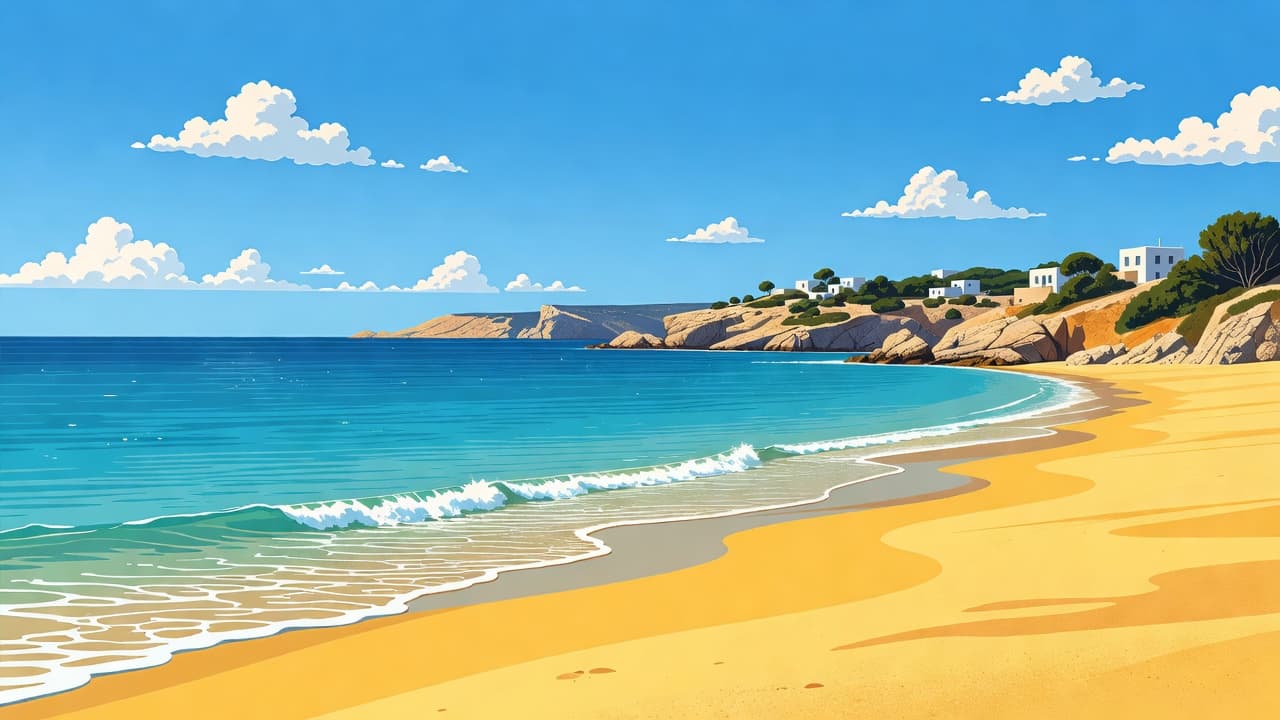
For a sandy beach, head to Konnos Bay, sheltered by pine-covered slopes, though it gets busy in July and August so it’s better treated as a morning stop than an all-day base. After lunch, continue to Protaras for a walk above Fig Tree Bay, then head back to Larnaca before dark.
Days 3–4: Troodos villages to Limassol, then Kourion and Aphrodite’s Rock
Check out of Larnaca and turn inland for a change of scene — today moves from salt air to the cooler roads of the Troodos Mountains, with Omodos village as the main destination. The drive takes longer than the map suggests, since bends, viewpoints and small villages invite frequent stops. We’d take the direct route towards Limassol first, then climb into the foothills, with a coffee break in Platres before continuing to Omodos, where old stone houses around a cobbled square hold bakeries, craft shops and tavernas.
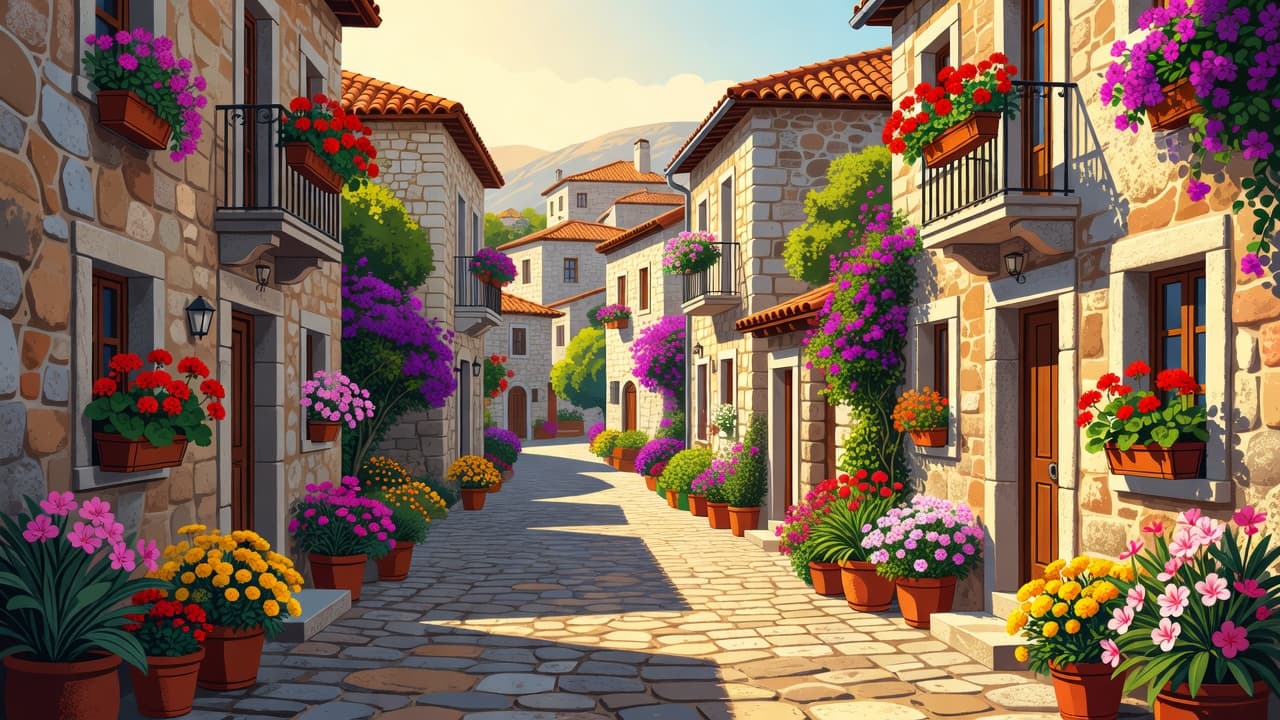
Omodos is known for its wine heritage, but we wouldn’t turn a driving day into a tasting marathon — one small winery or a local carafe with lunch, then a slow walk around the lanes for smoked meats, spoon sweets and lacework. The Monastery of the Holy Cross sits beside the square; modest clothing is appropriate for churches and monasteries, particularly in quieter villages. By late afternoon, drive down to Limassol and check in for two nights — the marina and old town make an enjoyable evening base, and we’d eat in the old town rather than automatically choosing the marina, where prices run higher.
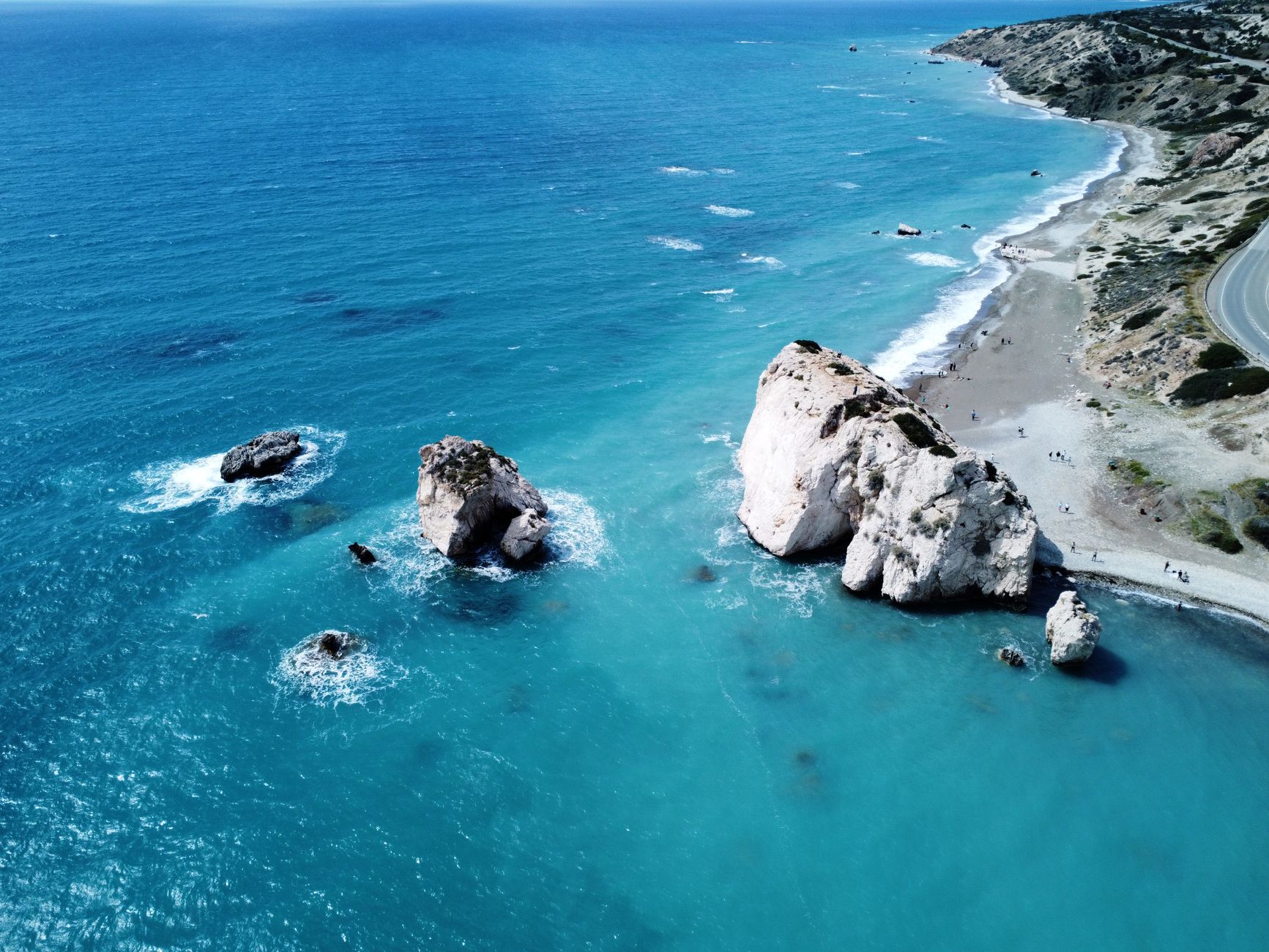
Day four is one of the most satisfying drives in Cyprus. Leave Limassol after breakfast and reach Kourion in around 25 minutes — perched above Episkopi Bay, it has a Roman theatre, mosaic floors, bath complexes and wide sea views. Give it at least two hours, wearing sensible shoes since the stone paths can be uneven. Then follow the coast west towards Petra tou Romiou, Aphrodite’s Rock — an iconic sea stack tied to the goddess’s legendary birth. The beach is pebbly and currents can be strong, so admiring from the shore is the safer bet unless conditions are clearly calm.
Continue to Paphos, check into a hotel near Kato Paphos or the harbour, then walk the waterfront before dinner. Kato Paphos is more tourist-focused than Larnaca or Omodos, but the harbour is still a pleasant spot for an early evening meal.
Days 5–7: Paphos, the Blue Lagoon, and the road home
Start day five early at the Paphos Archaeological Park, a UNESCO World Heritage site right beside the harbour, with ancient villas and mosaic floors that have survived nearly two millennia — the House of Dionysos is the essential stop. Explore the House of Theseus, the Odeon and the ruins of Saranda Kolones too; bring water and a hat, since much of the site is open to the sun, and visiting in the morning light also helps avoid the larger tour groups. After lunch, drive a few minutes north to the Tombs of the Kings, underground chambers that belonged to high-ranking officials rather than royalty despite the name, with columns, courtyards and passageways that feel more dramatic than a typical burial ground. Spend the afternoon at Coral Bay for soft sand and easy access, or continue a little further to Laourou Beach near Peyia for something wilder.
On day six, the Akamas Peninsula feels significantly more remote than the busier coast around Paphos. We’d drive north to Latchi, usually a 50-minute drive, to join a boat trip to the Blue Lagoon — check the departure point, swimming stops and return times before booking, since boats range from large sightseeing vessels to smaller private excursions. The water is exceptionally clear, so snorkelling is worthwhile if you bring your own mask, and a dry bag protects phone, sunscreen and a layer while on the water. We’d advise against driving a standard hire car over the unsealed Akamas tracks, since many rental agreements restrict off-road travel — a boat trip removes that risk entirely. Back in Latchi, a relaxed fish lunch at the harbour, then time on Polis Beach or a gentle walk through town rounds out the day. If the sea is choppy, the Paphos Archaeological Museum, a longer afternoon at the beach, or the villages around Kathikas are easy alternatives.
Leave Paphos on the final day with enough time to reach Larnaca Airport comfortably — the direct motorway drive is around 90 minutes, but we’d use this last day for two stops. First, Choirokoitia, a Neolithic settlement between Limassol and Larnaca, where reconstructed circular houses give a clearer sense of prehistoric daily life than a simple pile of foundations; the slopes are exposed, so cooler morning hours suit it best. Then Pano Lefkara, a hill village known for its lacework and silver craft, with whitewashed walls and shaded cafés making an ideal final pause. If buying lace, it’s worth choosing shops that can explain the history and technique behind their goods. Aim to arrive at the airport at least two hours before a short-haul flight, and fill up with fuel near the airport rather than paying a hire firm’s refuelling charge.
A seven-day loop can’t include every corner of the island — Nicosia, Kyrenia and Famagusta certainly deserve their own trip, and crossing the border needs separate planning if that’s part of a future visit. This route works because it gives each side of the island a unique character: Larnaca eases you in, the Troodos villages provide a slower pace, and Paphos brings together the most impressive ancient sites on the western coast. With a hire car, sensible overnight stops and a little room for shifting weather, the best memories often emerge between the headline sights — a quiet village lunch, an empty cove, or a final evening walk along the coast.
Pingback: Cyprus in June: Weather, Sea Temperatures and Where to Stay