Cyprus is small enough for a short break, yet old enough to fill a notebook. If we are planning a trip around history, faith, architecture and local culture, few Mediterranean islands give us so much in such a compact space.
The best Cyprus heritage travel plan is simple. We start with Paphos or Limassol, add a Troodos mountain day — see our 5-day Cyprus history itinerary, then choose one or two inland or eastern sites. That gives us the island’s main story without turning the holiday into a race.
Why Cyprus works so well for a heritage-focused trip
Heritage travel in Cyprus feels manageable because the island is layered, not scattered. Neolithic settlements sit within driving distance of Roman villas, Byzantine churches, Venetian walls and medieval castles — see our Cyprus museums guide. Cyprus has three UNESCO-listed cultural sites listed on the UNESCO World Heritage list — Choirokoitia for prehistory, Paphos for the classical world, and the Painted Churches of the Troodos Region for Byzantine art. In other words, we can read the island almost chapter by chapter.
For UK travellers, Cyprus is also easy to handle on the ground. Roads are familiar because driving is on the left, signs are in English, and many major sites have clear visitor facilities. Heritage stops also sit close to places where we can eat well, swim or stay in a village guesthouse — or join one of the Cyprus history walking tours.
For long days on foot, April to early June and September to October are the sweet spots.
The heritage sites worth building a trip around
| Site or area | Best base | Why go | Time to allow |
|---|---|---|---|
| Paphos | Paphos | Mosaics, tombs, harbour setting, UNESCO status | Full day |
| Choirokoitia | Larnaca or Limassol | Rare Neolithic settlement, easy transfer stop | 1.5 to 2 hours |
| Kourion | Limassol | Cliff-top theatre, Roman remains, wide sea views | Half day |
| Troodos Painted Churches | Kakopetria or Nicosia | Frescoes, mountain villages, UNESCO churches | Full day |
| Salamis and Famagusta | Famagusta area | Major eastern ruins and city walls | Full day |
A useful route planner is the official Antiquity Cultural Route, which links many of the island’s headline ancient sites and works well if we’re hiring a car and want a backbone for a 3 to 7-day trip.
Starting with Paphos: the strongest first impression
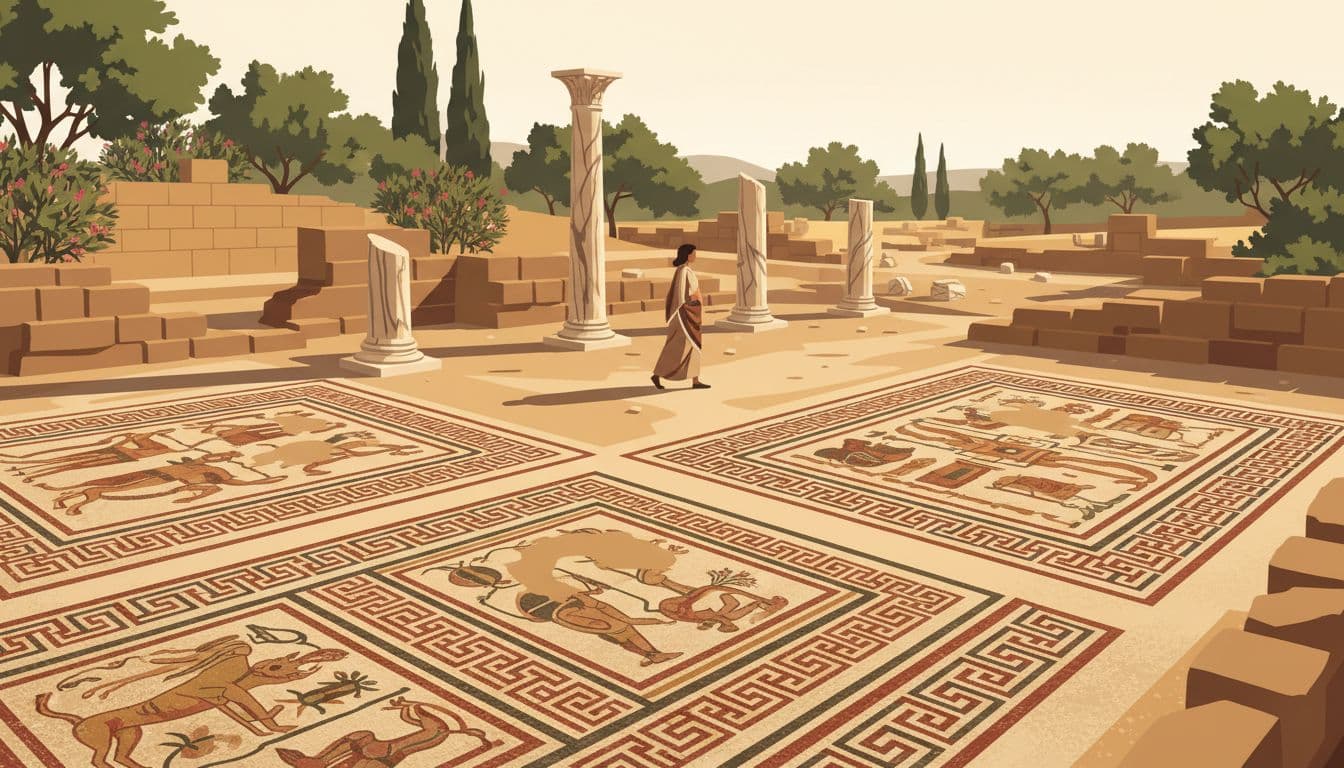
Paphos is the best opening move for most of us. The archaeology is rich, the sites are close together, and the town is easy to enjoy after hours. Kato Paphos Archaeological Park holds Roman villas with some of the island’s most striking mosaics; the Tombs of the Kings add a more dramatic, stripped-back setting. Paphos works because the remains are still legible — we can see how streets, villas and ritual spaces connected, rather than staring at loose stones. The Department of Antiquities visitor pages are the most practical place to check opening times and multi-site tickets.
Adding Choirokoitia and Kourion to widen the story
Choirokoitia shows how old Cyprus really is. This Neolithic settlement takes us far beyond temples and empires — circular dwellings and the hilltop setting make it easier to picture everyday life. We don’t need a full day here, but we do need time to slow down. Kourion gives a different mood: perched above the sea near Limassol, the theatre’s position explains why this city mattered. These two stops pair well because they create contrast — Choirokoitia is intimate and ancient, Kourion is expansive and theatrical. A recent Cyprus Mail guide to UNESCO sites gives a sensible cluster-by-cluster view of how to approach them.
Troodos churches and village life
The Troodos Mountains are where many heritage trips become more personal. Instead of grand ruins in open parks, we get small churches tucked into villages, timber roofs, frescoes glowing in low light, and roads that bend through orchards and forest. The UNESCO page for the Painted Churches explains that the heritage value sits across a group of churches, not one headline stop — trying to see all ten in a day is a mistake. Kalopanayiotis, Kakopetria and Galata work well because they mix art, architecture and village life in a way that doesn’t feel like a museum schedule.
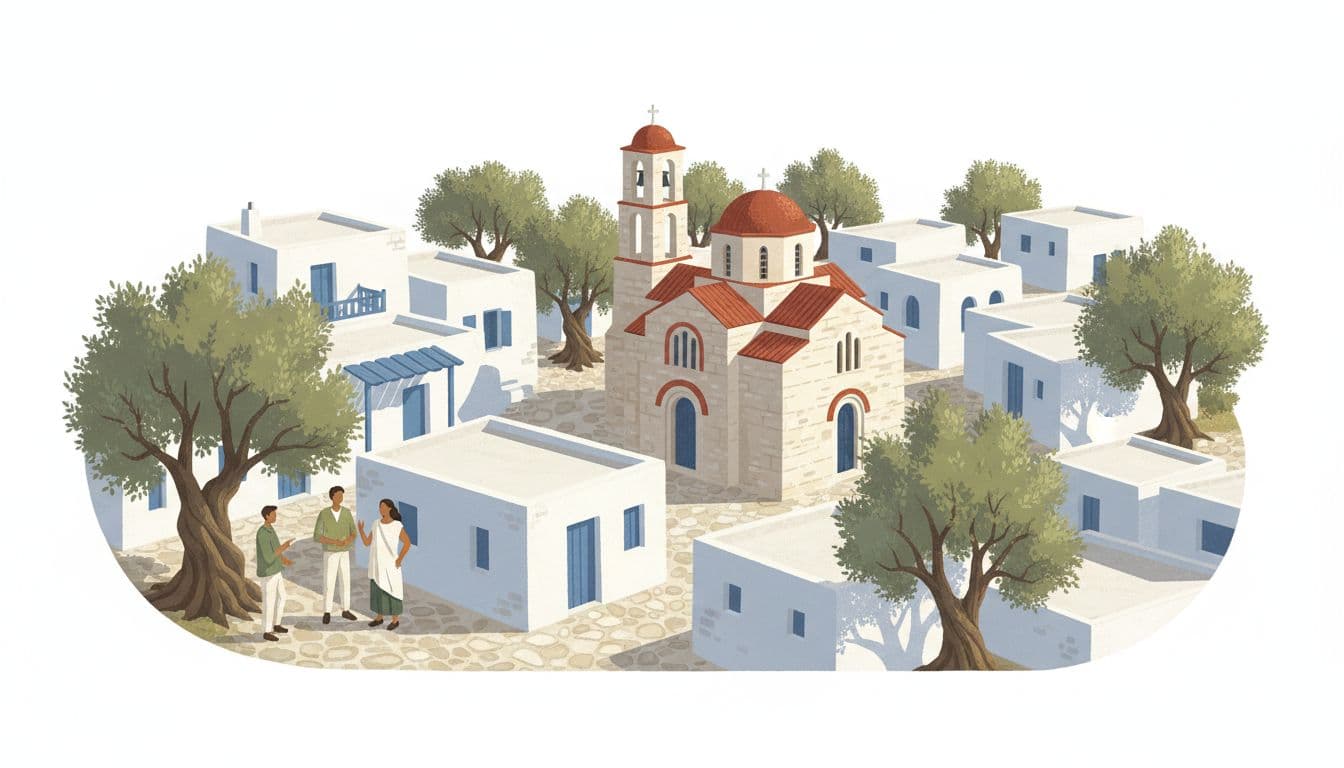
Dress matters here more than at open-air ruins — covered shoulders and respectful behaviour are the minimum. Some interiors restrict photography, and working churches still hold religious meaning for local communities. Spring and autumn suit Troodos best: the roads are green and fresh in spring, and warmer and calmer in autumn.
Medieval Cyprus through castles and old town streets
Kolossi Castle near Limassol is compact, readable and easy to combine with Kourion. The keep, views and setting tell the story of Crusader-era Cyprus well, especially if we visit after the open archaeological site nearby. In Nicosia, the old city walls, lanes and mixed architecture show how Cyprus changed hands again and again. The medieval and Ottoman layers sit almost side by side in the older districts, and the divided city itself is the island’s most charged modern heritage site.
Our Take: How to Plan a Heritage Trip Without Overdoing It
The biggest mistake we see heritage travellers make in Cyprus is packing too much into each day. Two outdoor sites is usually the comfortable limit in warm weather, and that is fine — Cyprus has enough variety that two good sites per day across a week adds up to a genuinely comprehensive picture. Our suggested shape for a first heritage trip: two days based in Paphos for the UNESCO ruins, one day in the Troodos for churches and villages, one day in Limassol for Kourion and Kolossi, and a day in Nicosia for the old city and museums. That leaves room to eat well, slow down and actually absorb what we have seen.
Practical planning for a Cyprus heritage trip
A heritage-focused trip in Cyprus rewards a hire car more than almost any other travel style. The best sites — Choirokoitia, the painted Troodos churches, Kourion, the Paphos mosaics, the Famagusta old city — are spread across the island and not well served by public transport. With a car, we can combine an archaeological site in the morning with a Byzantine church in the afternoon and a mountain village lunch between the two, which is the natural rhythm of a heritage day done well.
Most major archaeological sites and museums in Cyprus are operated by the Department of Antiquities and follow similar opening hours — typically 08:00 to 17:00 in winter and 08:00 to 19:30 or later in summer. Many are closed on Christmas Day, New Year's Day and one or two other public holidays. Checking the Department of Antiquities website before planning a specific day avoids the frustration of an unexpected closure. Admission fees are modest — usually between two and seven euros per site — and combined tickets covering multiple Department of Antiquities sites are available at most of the main entrance points.
How to structure a week around heritage
A week built around Cypriot heritage works naturally in geographic clusters. Days one and two work well in Paphos — the mosaics park, the Tombs of the Kings, Agios Neophytos Monastery and an afternoon at Aphrodite's Rock. Day three is the Troodos circuit: painted churches, mountain villages and the Byzantine atmosphere of the hill country. Day four suits Kourion and Kolossi near Limassol, taking in two of the strongest sites on the island in a single comfortable day. Day five works for Nicosia — the Cyprus Museum in the morning, the old walled city and its Ottoman and Venetian layers in the afternoon. Days six and seven can fill with whatever the first five days missed: a second Troodos day, the Neolithic settlement at Choirokoitia, or a day based around Larnaca and its own layer of Phoenician and Byzantine history.
This kind of structured approach sounds methodical but in practice it rarely feels that way — Cyprus is small enough that the drives between clusters are short, the transitions between periods and styles happen naturally, and each day tends to generate its own unexpected discoveries. Heritage travel in Cyprus rewards curiosity more than detailed pre-planning, which is part of what makes the island such a satisfying destination for anyone who takes history seriously.
Frequently Asked Questions About Cyprus Heritage Travel
How many UNESCO World Heritage sites does Cyprus have?
Cyprus has three UNESCO-listed cultural sites: the Neolithic settlement at Choirokoitia, the ancient city of Paphos, and the Painted Churches in the Troodos Region. Together they cover prehistoric, classical and Byzantine heritage. The island also has natural heritage recognitions through the Akamas Peninsula.
What is the best base for a heritage trip in Cyprus?
Paphos is the strongest single base for heritage-focused visitors — it puts us within easy reach of the archaeological park, Tombs of the Kings and the Troodos day trip. Limassol is the better choice if we want more mix between coast, castles and ancient sites. Nicosia suits those prioritising museums and the old capital’s layered urban history.
Is Cyprus good for a heritage holiday?
Yes — it is one of the most rewarding heritage destinations in the eastern Mediterranean for its size. The combination of Neolithic, Bronze Age, classical, Byzantine, medieval and more recent history, all accessible in a compact island without long transfers, makes it unusually practical for a focused heritage break.
When is the best time to visit Cyprus for heritage travel?
April to early June and September to October are the best windows. The weather is warm but not extreme, outdoor sites are more comfortable to explore, and crowds are smaller than peak summer. July and August are possible but the midday heat at exposed ruins can be significant.
Do we need a car for a heritage trip in Cyprus?
A hire car makes a heritage trip significantly more flexible. Many of the best sites — Choirokoitia, Kourion, Kolossi, and the Troodos churches — are difficult to reach efficiently by public transport. City-based heritage such as Nicosia, Paphos town and Larnaca is more manageable without a car, but for the full picture a car is the practical choice.