A beach day in Cyprus is easy to plan. A good museum day takes more thought — plan it around our 5-day history itinerary. If we want to understand the island, not only sunbathe on it — see our Cyprus heritage travel guide, the right museum can turn a pleasant trip into a richer one.
If we’re choosing the best history museums in Cyprus, we should start with the Cyprus Museum in Nicosia, then add the Leventis Municipal Museum, and pick a strong regional stop in Paphos or Larnaca.
The museums worth planning around
| Museum | Town | Best for | Why it stands out |
|---|---|---|---|
| Cyprus Museum | Nicosia | First-time visitors | The broadest view of ancient Cyprus |
| Leventis Municipal Museum | Nicosia | City history | Explains how Nicosia changed over time |
| Paphos District Archaeological Museum | Paphos | Roman-era finds | Strong local collection near major ruins |
| Larnaca District Archaeological Museum | Larnaca | Prehistory and Kition | Good regional context, upgraded in 2022 |
| Larnaca Fort and Medieval Museum | Larnaca | Medieval and Ottoman history | Historic seafront setting, atmospheric |
If we’re short on time, one museum in Nicosia and one on the coast gives us the best balance.
Nicosia: the strongest starting point
Cyprus Museum
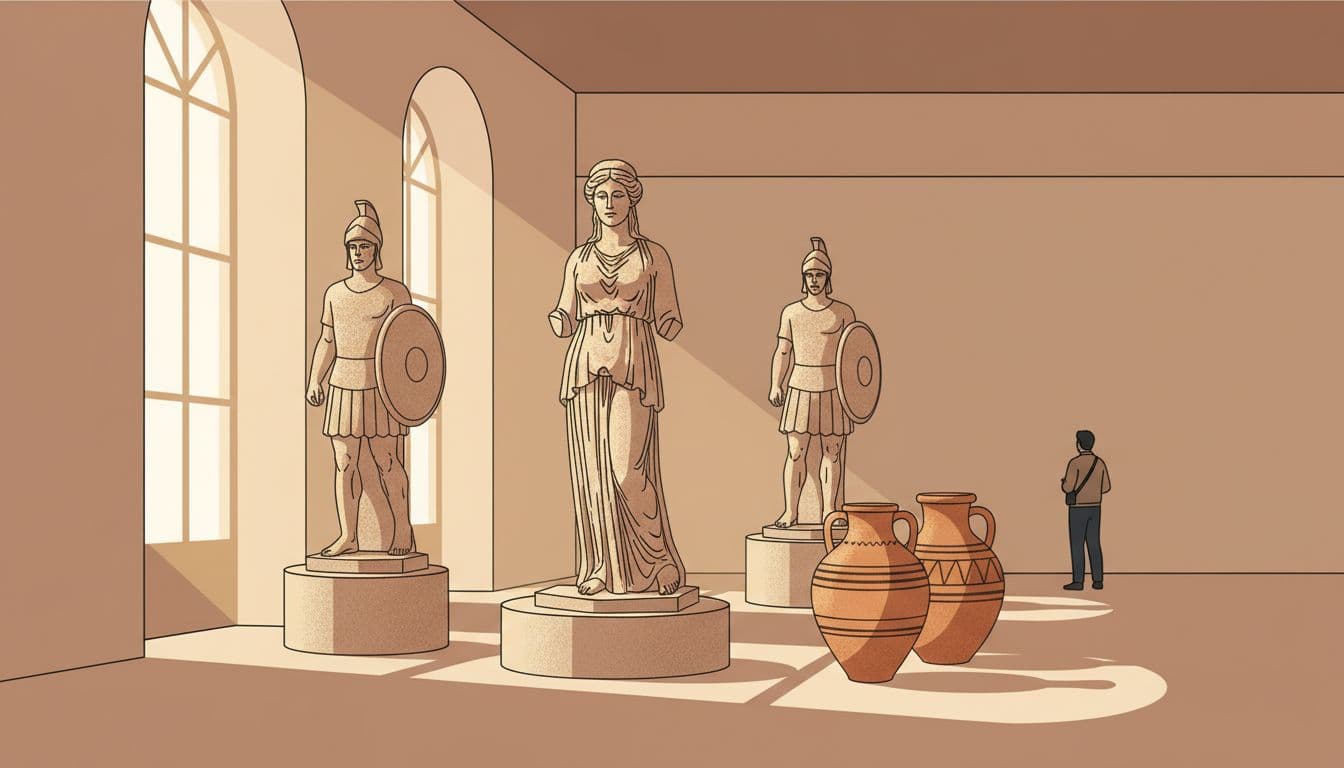
The Cyprus Museum is the one place we should not skip. It is the main archaeological museum on the island, and it gives us the broadest view of ancient Cyprus in one visit — from prehistoric tools to sculpture, jewellery, coins and relics from major ancient sites. What makes it strong is range: pottery, funerary objects, stone statues and metalwork sit side by side, so we can see how Cyprus changed through trade, invasion and local craft. The official Cyprus Museum page is the safest place to check practical details including opening times before going.
Leventis Municipal Museum of Nicosia
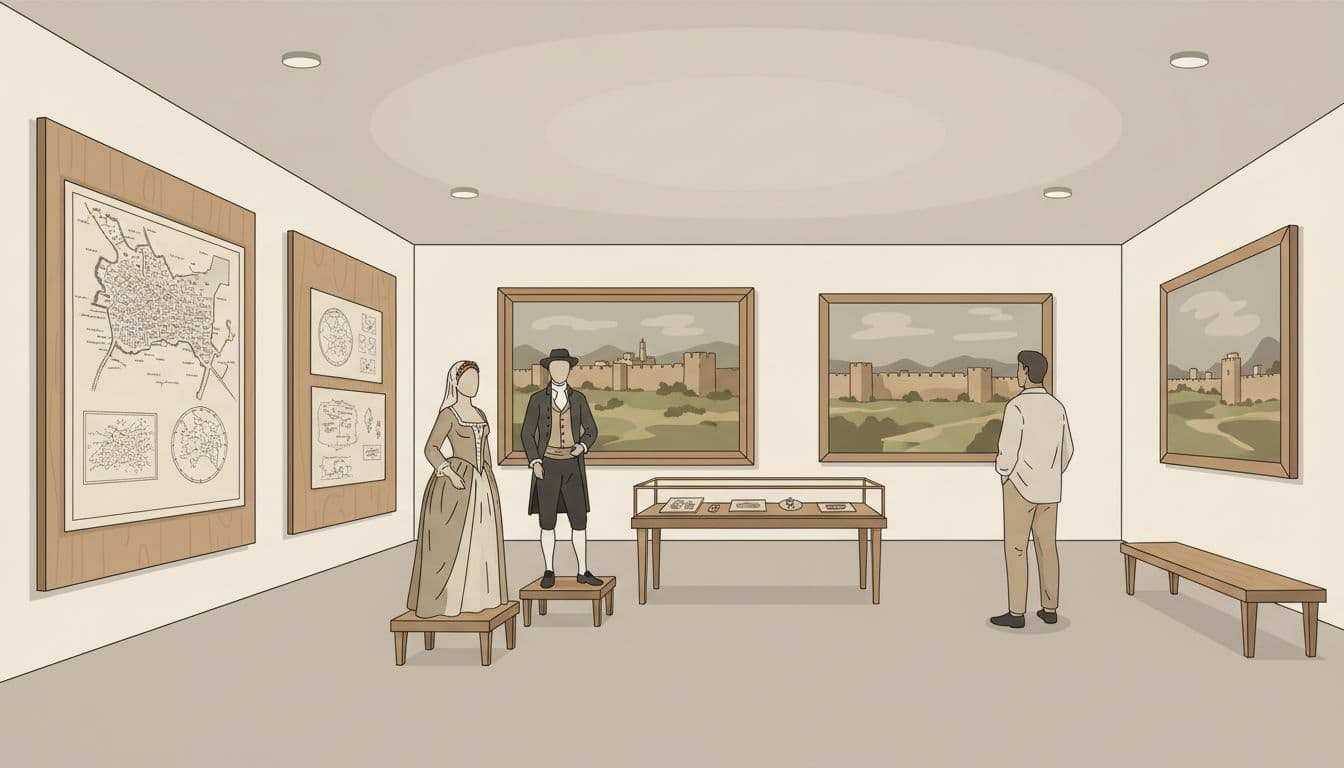
If the Cyprus Museum gives us the island, the Leventis Municipal Museum gives us the city. We move from broad archaeology to the story of Nicosia itself — maps, costumes, paintings, documents and objects from daily life across different eras. History is not only kings and temples; it is also streets, trade and households. The museum is in the old city, so we can step outside and compare the galleries with the Venetian walls nearby. The Leventis Municipal Museum page and permanent collections guide are both useful before visiting.
Paphos and Larnaca: regional history worth seeking out
Paphos District Archaeological Museum
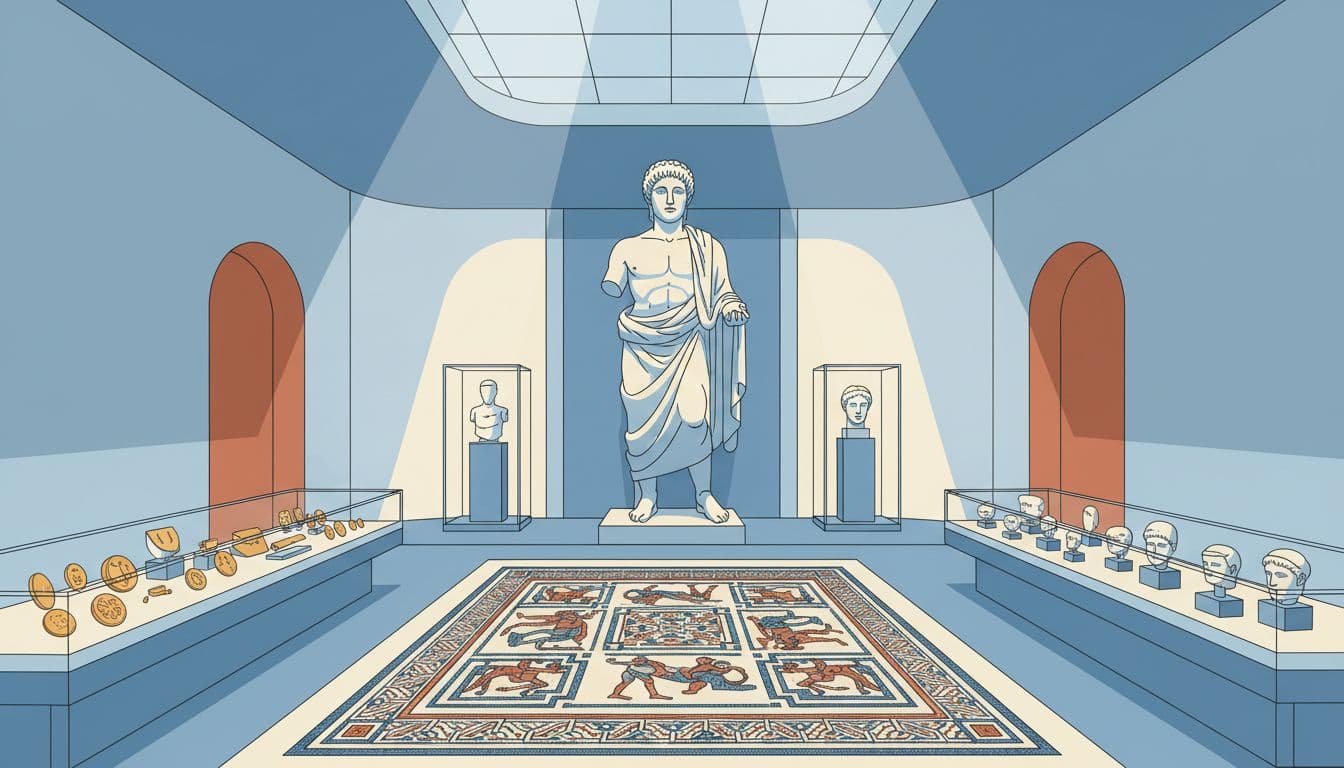
Paphos is known for its open-air ruins, so it makes sense to pair the archaeological park with a museum visit. The collection covers a long period from the Neolithic age to Byzantine and medieval material — coins, tomb finds, sculpture and artefacts from sites across the district. After seeing the Tombs of the Kings or the mosaics, the museum fills in the missing context. A helpful local overview is this Paphos District Archaeological Museum guide. Hours can be more limited here than at bigger museums, so planning ahead matters.
Larnaca District Archaeological Museum
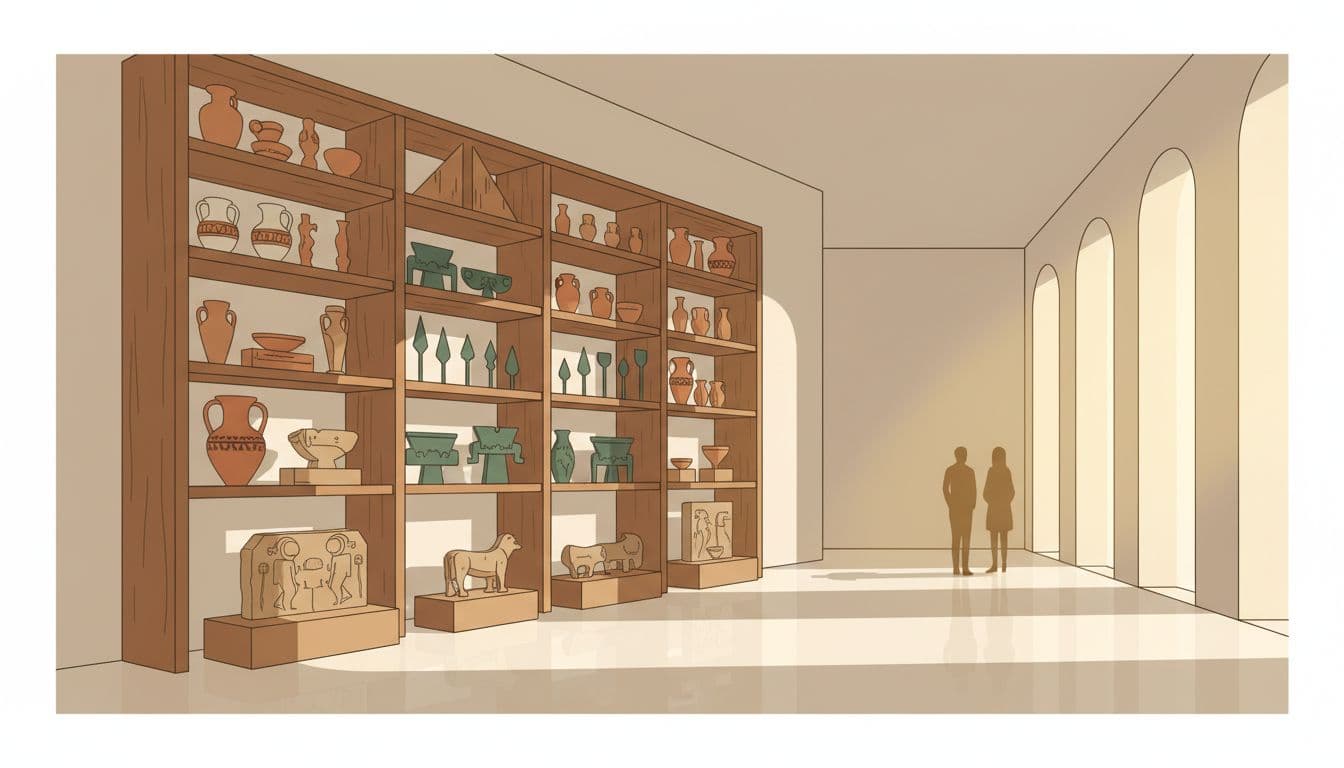
Larnaca often gets treated as just an airport city. That sells it short. Its district museum is one of the better regional museums for understanding early settlement, especially ancient Kition and nearby prehistoric sites. Finds from across the district, including material linked to Choirokoitia and Kalavasos, give a strong sense of how long this part of the island has been inhabited. Displays were upgraded in 2022, making it a more polished stop than older guidebooks suggest. The Visit Cyprus museum page has current practical details.
Larnaca Fort and Medieval Museum
If we want a museum with atmosphere, Larnaca Fort has it. The stone walls, sea views and compact displays make it easier to absorb than a large archaeology hall. The collection is smaller, but the setting does part of the work. A good pick when we want history without losing half a day — it pairs well with a walk along Finikoudes and the old quarter.
Our Take: How to Get the Most from Cyprus Museums
The Cyprus Museum in Nicosia is the one we would not miss on any visit — it is simply the best single overview of the island’s past. The Leventis is an excellent follow-up that most visitors overlook. In Paphos, the district museum matters most if we have already visited the open-air ruins and want to understand the finds better. In Larnaca, the Fort is the pick for anyone who wants atmosphere over comprehensiveness. Our practical advice: do Nicosia museums on a day when the heat is too fierce for open-air sites, and save the coastal museums for quieter afternoons.
Regional museums worth adding to the itinerary
Beyond the headline institutions in Nicosia, Cyprus has a strong network of smaller regional museums that reward the detour. In Paphos, the District Archaeological Museum holds finds from sites across the western part of the island — pottery, sculpture, glassware and jewellery that give material context to what we have already seen at the outdoor archaeological park. The Paphos Byzantine Museum in the Bishop's Palace houses icons, manuscripts and religious objects from across the centuries, covering the Byzantine and post-Byzantine period with more depth than most visitors expect from a regional collection.
In Limassol, the District Archaeological Museum covers the Bronze Age and Classical periods with a strong collection of terracotta figurines and pottery. The Limassol Medieval Castle houses the Cyprus Medieval Museum, which takes the island's story from the Byzantine era through the Frankish, Venetian and Ottoman periods with clear displays and good original objects. Larnaca has its own district museum with finds from the ancient city of Kition, including evidence of the Phoenician presence on the island that is less well covered by the larger Nicosia collections.
How to get the most from a Cyprus museum day
Museum days in Cyprus work best when they are paired with an outdoor site rather than stacked back to back. Visiting a museum before the archaeological site it relates to — or immediately after — makes both experiences richer. The Cyprus Museum in Nicosia followed by a walk through the old city gives the street-level evidence that confirms what the display cases have just explained. The Paphos Archaeological Museum followed by an hour in the mosaics park joins up in the same way.
Most museums are closed on Sundays and some close on Monday mornings or public holidays. Checking opening times before setting out avoids a wasted journey — several of the smaller regional institutions run reduced hours outside peak season. Admission charges across Cyprus museums are modest, typically between two and five euros per adult, and combined ticketing for Department of Antiquities sites is available at most of the main locations. Audio guides are available at the Cyprus Museum in Nicosia and worth hiring for context on the major pieces.
The Kourion site museum and the case for outdoor context
Some of the most interesting museum spaces in Cyprus sit within or beside archaeological sites rather than in town centres. The Eustolios complex at Kourion has mosaics in situ within a covered building, blurring the line between site and museum in a way that works particularly well. The small museum at the Choirokoitia Neolithic settlement gives direct context for one of the oldest human habitation sites in Cyprus, and the combination of the display with the reconstructed stone dwellings on site makes the Neolithic period tangible in a way that a conventional museum exhibit rarely manages.
The Pierides Museum in Larnaca, housed in a 19th-century colonial building, is the strongest private collection on the island and covers Cypriot history from the Neolithic through the medieval period in a single coherent narrative. It is smaller than the Cyprus Museum but more accessible for visitors who want a structured overview without the scale of a national institution. For a first serious museum stop in Cyprus, it is one of the best introductions available.
Frequently Asked Questions About History Museums in Cyprus
What is the best history museum in Cyprus?
The Cyprus Museum in Nicosia is the strongest choice for a broad overview of the island’s history from prehistoric times to late antiquity. It holds the most significant archaeological collection in Cyprus and is the natural first stop for history-focused visitors.
Is the Cyprus Museum free?
Entry to the Cyprus Museum has sometimes been free, but this can change. It is always worth checking the official museum page or contacting them directly before visiting, as opening times and ticket prices can vary seasonally.
How long do we need at the Cyprus Museum?
Allow at least two hours to do it justice, and more if we want to read labels carefully or explore the full collection. Combining it with the Leventis Municipal Museum in the same day is easily manageable and gives us a strong overview of both island and city history.
Are there good museums in Paphos?
Yes. The Paphos District Archaeological Museum is the strongest choice and works well alongside the open-air ruins. It provides context for finds from the Paphos region including Neolithic through to Byzantine material. Hours can be limited so checking ahead is worthwhile.
Can we visit Cyprus museums without a car?
The Nicosia museums are easily reachable on foot within the old city. Larnaca Fort and the district museum are also manageable without a car. The Paphos District Archaeological Museum is within reasonable distance of the town centre. Most major museums in Cyprus are accessible by taxi if not on foot.