A beach bar, mountain taverna and supermarket can all have different payment habits, so a little planning saves awkward moments. Advice differs between the Republic and Northern Cyprus, so this guide covers cards, cash, rates, ATM charges and tipping.
For most UK holidaymakers, euros, a fee-friendly card and a small cash reserve cover the basics, but Northern Cyprus needs a separate plan for local payments. Card fees, ATM charges and rates depend on your provider and can change, so check the current terms before departure.
The Short Version
- The Republic of Cyprus uses the euro, while Northern Cyprus uses the Turkish lira, so plan payments separately if you cross the Green Line.
- Visa and Mastercard are widely accepted in southern Cyprus, but keep modest cash reserves for rural tavernas, taxis, markets, kiosks and small shops.
- Compare card and ATM fees before travelling, use bank-linked machines where possible and always choose the local currency rather than pounds at terminals and cash machines.
- Tipping is appreciated but optional. Check whether a service charge is included; 5% to 10% is a sensible guide for attentive restaurant service.
- Declare cash or equivalent valuables worth €10,000 or more when entering or leaving the Republic of Cyprus, and check the latest customs rules before travelling.
Euro in the south, lira in the north
The Republic of Cyprus uses the Euro, written as EUR or €. The Cypriot pound was replaced by it on 1 January 2008 at a fixed exchange rate of €1 to CYP 0.585274, as confirmed in the Central Bank of Cyprus euro information.
That historical exchange rate isn’t the rate visitors will receive when changing money today.
The island’s political division affects how you pay, especially if you plan to cross the Green Line during your holiday. Check current crossing and payment arrangements separately if relevant.
| Area | Everyday currency | Best approach for UK visitors |
|---|---|---|
| Southern Cyprus | EUR | Pay mainly by card, with euros for smaller purchases |
| Northern Cyprus | TRY | Carry some lira and keep a card as a back-up |
Euros across the south
Coins range from 1 cent to €2. Notes normally seen in daily use are €5, €10, €20, €50 and €100. Although larger notes exist, don’t expect a small cafe or village shop to welcome a €200 note.
Valid euro banknotes and coins from other euro-area countries can normally be spent in the south. Small businesses may refuse large notes, so don’t assume every shop accepts every denomination.
The official guide to banknotes and coins is useful if you want to check denominations before travelling.
In Paphos, Limassol, Larnaca, Ayia Napa and Nicosia, euros are all you need for ordinary spending. Prices in restaurants, shops, museums and petrol stations are displayed in euros, including VAT where applicable.
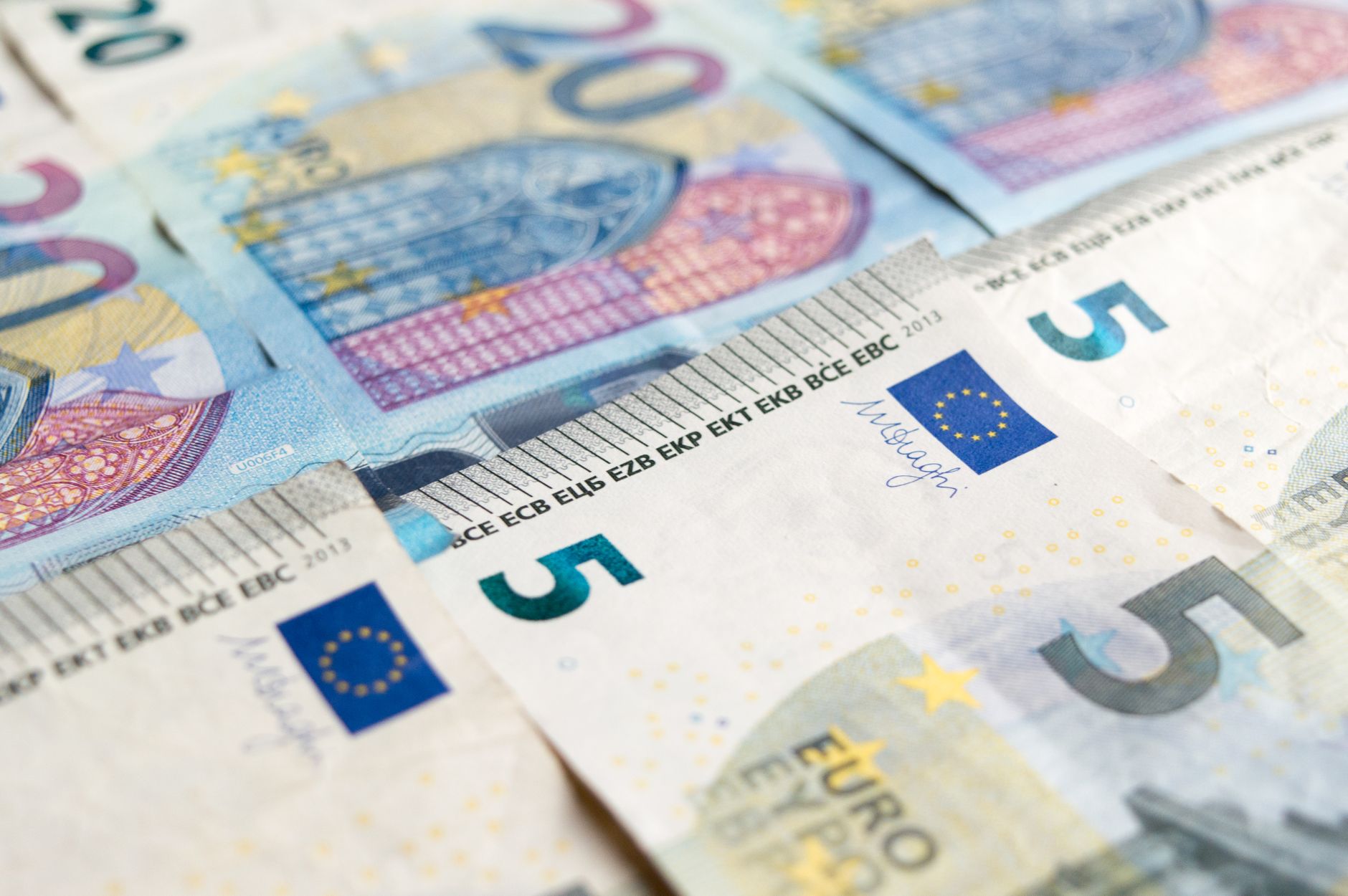
Photo by Lukasz Radziejewski
Lira in the north
The Turkish lira, written as TRY or TL, is the official day-to-day currency in the north. Larger hotels, casinos and tourism-focused businesses may quote or accept euros or pounds, but the displayed rate and any change can be unfavourable. Ask which currency will be charged before paying.
I’d use lira for meals, taxis, local shops and small attractions in the north. Withdraw or exchange only what you expect to spend, since leftover lira is harder to use after your trip.
When to use cash and when to use a card
Visa and Mastercard are widely accepted throughout the Republic. You can normally tap to pay at hotels, supermarkets, larger restaurants, car hire offices and visitor attractions.
Still, card acceptance isn’t universal. Cash payments remain useful in smaller villages, family-run tavernas, beach kiosks, market stalls and some taxi journeys. The individual business, terminal connection and minimum-spend policy all matter, while a few euros help when the signal is weak.
Places where cards work well
Resort areas are easy for card payments. In central Limassol, Kato Paphos and Larnaca’s promenade, you can often pay by contactless card for everyday purchases.
Credit cards work much like a debit card at the till, but the key difference isn’t simply credit versus debit. Check your provider’s foreign transaction, cash advance and exchange charges before you leave. American Express is less dependable, so don’t make it your only payment method.
Times when cash is the safer option
A rural lunch in the Troodos, a loukoumades stall at a festival or a short taxi ride may require cash. Small businesses can also set a card minimum, particularly for low-value items.
Carry a modest amount, rather than your entire holiday budget. I usually favour a travel money mix, with a travel money card for overseas spending and £50 to £100 in small notes for the first day or two. Treat that amount as a starting point, not a rule. Plan how much cash you need before relying on ATM withdrawals or a nearby machine.
Getting euros without losing money on fees
You can buy euros in the UK before departure, withdraw cash after arrival or spend directly with a debit card. Compare the exchange rate from a UK bureau de change, an ATM and your card provider before choosing.
Before travelling, use a currency converter to see the live mid-market rate. It is a comparison benchmark, not a rate most consumers automatically receive. An advertised exchange rate may not include every charge, so don’t treat it as your final cash or card rate.
Airport bureaux de change are convenient but rarely offer the strongest deal. Euro cash bought before flying may suit your plans, so compare high-street providers and order in advance for collection. Avoid carrying a large bundle simply because the offer looks tempting.
Using a UK debit card for a foreign currency purchase can be expensive. A percentage foreign transaction fee grows with spending, while a fixed cash withdrawal fee does not. A provider may also add an exchange-rate mark-up. These card charges are exchange fees.
Cash withdrawals or exchange providers can add separate exchange fees. For example, a £3 fixed fee on a £30 withdrawal adds 10% immediately. That can undermine an attractive cash rate before other charges.
For that reason, check the terms for your own current account or credit card. Multi-currency products from Wise, Revolut and similar providers can be useful. They may work as a travel money card, but that doesn’t make travel money automatically cheaper. Check current app pricing and terms. Look for weekday or weekend mark-ups, the free withdrawal allowance, any rolling monthly limit and plan fee. Conditions can change, so verify them directly with the provider.
Take out a smaller amount first for ATM withdrawals, then check the receipt and banking app before taking out more. A practical payment mix is simple. Use a suitable card for most local payments, keep small notes for independent businesses and withdraw more only when needed.
Choose local currency at every card terminal
When a payment terminal or cash machine offers pounds or the local Euro amount, select the local amount in the Republic of Cyprus. Use the same approach in the north, selecting its local currency.
Dynamic currency conversion is the option to let the merchant or ATM convert the local amount into pounds. The displayed sterling amount isn’t automatically the cheapest option. The merchant, acquirer or ATM operator sets the exchange rate, which may include a sizeable mark-up against the mid-market rate or your card provider’s rate.
Decline dynamic currency conversion
Look for wording such as “Pay in GBP?” or “Accept conversion?” Choose “No”, “Decline conversion” or “Pay in EUR”. Read the actual screen rather than relying on a fixed button position.
Selecting the local currency doesn’t remove your card issuer’s own overseas fees or exchange fees. Even a card with a foreign transaction charge may still cost less than accepting an inflated DCC rate.
Choose a bank-linked machine for ATM withdrawals
Choose an ATM attached to a recognised bank branch or inside a supermarket, rather than a standalone machine beside a busy promenade. Independent machines may charge higher operator fees or make the conversion screen harder to refuse. If you’re checking for a fee-free ATM, remember that your UK card provider may still apply its own charges.
For ATM withdrawals, review the screen for any fee, conversion prompt and final amount before confirming. Take a smaller withdrawal first if you’re unsure. You can then check the transaction in your banking app before taking out more.
Plan money differently for Northern Cyprus
A day trip to Kyrenia, Famagusta or northern Nicosia deserves a separate spending plan. The Turkish lira is the practical day-to-day cash choice, although Euro prices may appear on tourist-facing menus or be accepted by some businesses. Don’t assume either option offers a fair rate.
Larger hotels and restaurants may take cards, but acceptance and connectivity vary by business. Cash payments can be more useful at small cafes, local buses, taxis and independent shops. For a UK visitor, budget for transport, lunch and a small attraction payment before setting out. Carry only the day’s travel money, with a back-up card stored separately.
Exchange counters at crossing points can be uncompetitive. Compare the exchange rate offered there with your bank or card provider’s rate. For ATM withdrawals, use a recognised bank-linked machine after crossing, provided your issuer fees and the machine’s on-screen charge are reasonable.
If you exchange cash, count it before leaving the counter and retain the receipt. A banking app may show a Turkish merchant or lira transaction, which isn’t necessarily an error. Check the merchant name, amount and card notification against what you paid.
Crossings don’t make it invalid, but they can change what local businesses prefer to receive. I wouldn’t rely on pounds or euros for day-to-day spending in the north.
Tipping in Cyprus without overthinking it
Tipping is appreciated in Cyprus, but it isn’t compulsory or governed by a fixed rule. Percentage figures are cultural guidelines, not legal requirements or fixed national customs.
Check the bill first. Restaurants may show a service charge, cover charge or discretionary gratuity in different ways. If one has already been included, you can decline an automatic tip or leave nothing further.
Restaurants, cafes and bars
For a sit-down meal with warm, attentive service, 5% to 10% is a sensible optional starting point. You might leave a small amount after a good meal or simply round up the bill.
Leaving €2 to €5 on a modest meal is a flexible guide, not an obligation. At a coffee shop or bar, tipping is less expected, so round up or leave small change if you want to. In Northern Cyprus, use Turkish lira for small tips when that is the currency requested or displayed.
Hotels, taxis and guides
Porters appreciate a small cash tip per bag. Housekeeping staff may receive a few euros left in the room at the end of your stay, particularly after several nights.
For taxis, rounding up the fare is usually enough. A private guide, boat crew member or driver on a full-day excursion may merit more, depending on the service and length of the trip. Cash payments can be more practical for porters, housekeeping staff, taxi drivers and guides, as access to card-added gratuities varies by business.
VAT, tax-free shopping and cash declarations
Most advertised prices in the Republic of Cyprus include Value Added Tax. At the time of writing, the standard rate is 19%, while reduced rates of 9% and 5% apply to qualifying goods and services. Check the current rates and categories against official Cyprus or EU guidance before publication.
You don’t need to recalculate VAT when paying for a holiday meal or hotel stay. Tax-free shopping is more relevant when buying jewellery, designer goods or other higher-value items to take home.
VAT refunds for UK visitors
UK residents are generally treated as non-EU visitors for tax-free shopping, provided they meet the residence conditions. Buy from a participating retailer and request the tax-free paperwork when you pay.
For tax-free shopping, confirm your eligibility, the retailer’s participation, minimum spend, refund operator and export deadline before purchasing. Not every shop participates, and a refund isn’t guaranteed.
Carry your passport, receipt, tax-free form and unused goods to the airport. Allow enough time for customs to inspect the items before validating your claim. Cyprus Customs guidance on VAT exportation covers the official export process, while Global Blue’s Cyprus information explains its own participating-store process.
Published guidance has shown different minimum-spend figures. Check the latest threshold and refund conditions with the retailer before you buy. You must also export the goods outside the EU within the stated deadline, usually within three months of purchase.
Bringing larger sums of cash
You must declare cash or equivalent valuables worth €10,000 or more when entering or leaving the Republic of Cyprus. This threshold covers foreign currency and more than just euro notes, including banknotes and coins, bearer instruments, certain gold coins and bullion.
The EU rules on carrying cash explain the declaration threshold and why authorities request this information. Complete any customs declaration before passing through the relevant customs channel. If you’re travelling from the UK with a large amount, also check GOV.UK cash declaration rules and current Cyprus Customs guidance before departure.
Build a practical payment plan before you fly
A little preparation means I can enjoy a harbour dinner or village detour without hunting for a cash machine. Before I leave, I check each issuer’s foreign transaction terms and cash terms. I note exchange fees and the provider’s current exchange rate or mark-up.
I use this simple travel money plan:
- I take a specialist overseas travel money card and a debit card. Where practical, I use different networks, such as Visa and Mastercard. I don’t treat either network as a guarantee of acceptance.
- I check the provider’s allowance and fees for ATM withdrawals, including daily or monthly limits.
- I set aside a small Euro cash reserve for my first taxi, drinks, tips and independent shops. It is for resilience, not a reason to carry my whole budget in cash.
- I confirm whether travel notifications are needed and check my bank’s security settings for foreign currency payments.
- I test both cards before leaving and save my bank’s contact details in my phone and offline.
- I store the back-up card separately from my wallet, so losing one card doesn’t remove every option.
- I choose the local currency at each terminal, using euros in the south and local money in the north.
- I keep receipts from ATM withdrawals and review each transaction in my app as soon as I can.
For a seven-day resort holiday, I might take two tested cards, a small first-day cash reserve and a separate back-up. I’d keep the rest of my holiday budget accessible through my accounts, rather than carrying it all in cash.
For a trip that includes the north, I’d check card use on both sides of the crossing. I’d also plan where I can obtain local currency.
For longer stays, I track spending in euros rather than converting every bill back to pounds. It makes daily costs easier to judge and stops currency anxiety taking over the holiday.
Common Questions
What currency is used in Cyprus?
The Republic of Cyprus uses the euro, while Northern Cyprus uses the Turkish lira. Some tourist-facing businesses in the north may accept euros or pounds, but the exchange rate and change may be unfavourable.
Can I use a UK debit or credit card in Cyprus?
Visa and Mastercard are widely accepted in hotels, supermarkets, larger restaurants, car hire offices and attractions, particularly in the Republic. Check your provider’s foreign transaction, cash withdrawal and exchange-rate charges, and carry cash for smaller businesses.
Should I choose pounds or euros at a card terminal?
Choose the local currency: euros in the Republic of Cyprus and Turkish lira in Northern Cyprus. Decline dynamic currency conversion, as the merchant or ATM may apply a weaker exchange rate or additional mark-up.
How much cash should I take to Cyprus?
A modest reserve of around £50 to £100 in small notes can cover your first day or two, but this is only a starting point. Carry some lira for everyday spending in Northern Cyprus and withdraw more only when needed.
How much should I tip in Cyprus?
Tipping is optional rather than compulsory, so check whether a service charge or gratuity is already included. For attentive sit-down restaurant service, 5% to 10% is a sensible guide; in cafes, bars and taxis, rounding up or leaving small change is usually enough.
Before you fly
The key to handling Cyprus currency is knowing which side of the island you’re visiting. The Republic normally uses the Euro, while each side requires different preparation.
Keep a modest reserve of local cash, select local currency at terminals and choose a card with fair provider fees. Check your card terms and ATM charges before departure, then decline conversion to pounds at any terminal or cash machine.