Cyprus is a rewarding family holiday destination in August, with long beach days, warm evening meals and sea that feels more like a heated pool. It can also bring fierce midday heat, busy resorts and tired children if every day is planned as a sightseeing marathon.
For Cyprus August travel, the best approach is simple: choose a well-located base, do outdoor activities early and let the hottest hours belong to lunch, swimming and rest. A relaxed rhythm matters more than a packed itinerary.
Key Takeaways
- Cyprus works well for family travel in August if you plan outdoor activities early and keep the hottest hours for lunch, swimming and rest.
- Choose a base that matches your holiday: Paphos is a strong all-round option, Protaras suits beach holidays, and Larnaca is practical for car-free stays.
- Arrive early at popular beaches and prioritise shade, water, toilets and easy lunch access over the most photogenic spot.
- Public transport is suitable for simple routes in main coastal towns, while a hire car is more useful for Akamas, Troodos, villages and flexible day trips.
- Reliable bedroom air conditioning, high-factor sun protection, plenty of water and a flexible one-main-activity-per-day rhythm can make August much more comfortable.
Cyprus August travel means working around the heat
Cyprus weather in August is hot and dry, so families need to plan around the strongest heat. Along the coast, afternoon temperatures often reach 32°C to 37°C, while inland areas can climb higher. Nights are warm, commonly around 22°C to 26°C, so you won’t get much natural cooling after dark.
The official Cyprus climate and weather guide records Mediterranean Sea water temperatures at about 27°C. That makes swimming easy for children who usually hesitate in cooler British waters. Rain is rare, while families can expect roughly 12 hours of daily sunshine.
Coastal breezes help, but don’t remove the risk
Paphos and Limassol are usually more comfortable than inland Nicosia because of the sea breeze. However, shade can be scarce on promenades, archaeological sites and car parks.
Check local forecasts rather than relying on a monthly average. The Met Office’s Cyprus forecast shows how sharply temperatures can vary between coastal towns, the central plain and Mount Olympus.
In August, a 30-minute walk at 1pm can feel harder than a two-hour walk at 8am. Treat the middle of the day as downtime, not sightseeing time.
Use the cool parts of the day well
Start beach walks, ruins and playground visits by 8am or 9am. Then return to your accommodation before the heat peaks, usually between 11am and 4pm.
Dinner after 7pm often works better for families. Pavements remain warm, but the sun has dropped and children can enjoy a harbour stroll without overheating.
Choose a family base that suits your holiday
Your base decides how often you need a car, how easily you can get food and whether a beach day feels simple or stressful. During the peak summer season, staying near a supermarket, shaded restaurants and a walkable seafront is more useful than choosing a spectacular but isolated villa.
| Area | Best for | What to know in August |
|---|---|---|
| Paphos | History, harbour evenings and west-coast day trips | Good all-round family choice, but some beaches are smaller or rockier |
| Protaras | Calm-looking bays and beach-focused breaks | Popular with families, so book accommodation and restaurants early |
| Ayia Napa | Waterparks, lively beaches and older children | The centre can be noisy, so stay outside the main nightlife streets |
| Larnaca | Airport convenience and a lower-key city beach | Handy without a car and useful for shorter holidays |
| Limassol | Families wanting shops, dining and city energy | A practical base, though less resort-like than Protaras |
The strongest choice depends on the holiday you want. We often favour Paphos for a first family visit because it balances beach time with historic places and day trips.
Paphos for ruins, pools and quieter evenings
Paphos works well if your family gets restless after several beach days. The harbour area has restaurants, ice cream stops and evening walks, while Coral Bay is a straightforward option for a sandy beach day.
It is also well placed for western Cyprus. The official Paphos region guide highlights the route towards Latchi, Lara and the Akamas area.
Easier car-free stays for families
Protaras has the kind of clear water children remember. Fig Tree Bay is popular for good reason, although its popularity means early arrival matters in August.
Larnaca is less flashy, yet it can be easier for families without a hire car. The airport is close, the seafront is walkable and everyday essentials are nearby. It suits a short break or a first few nights before travelling onwards.
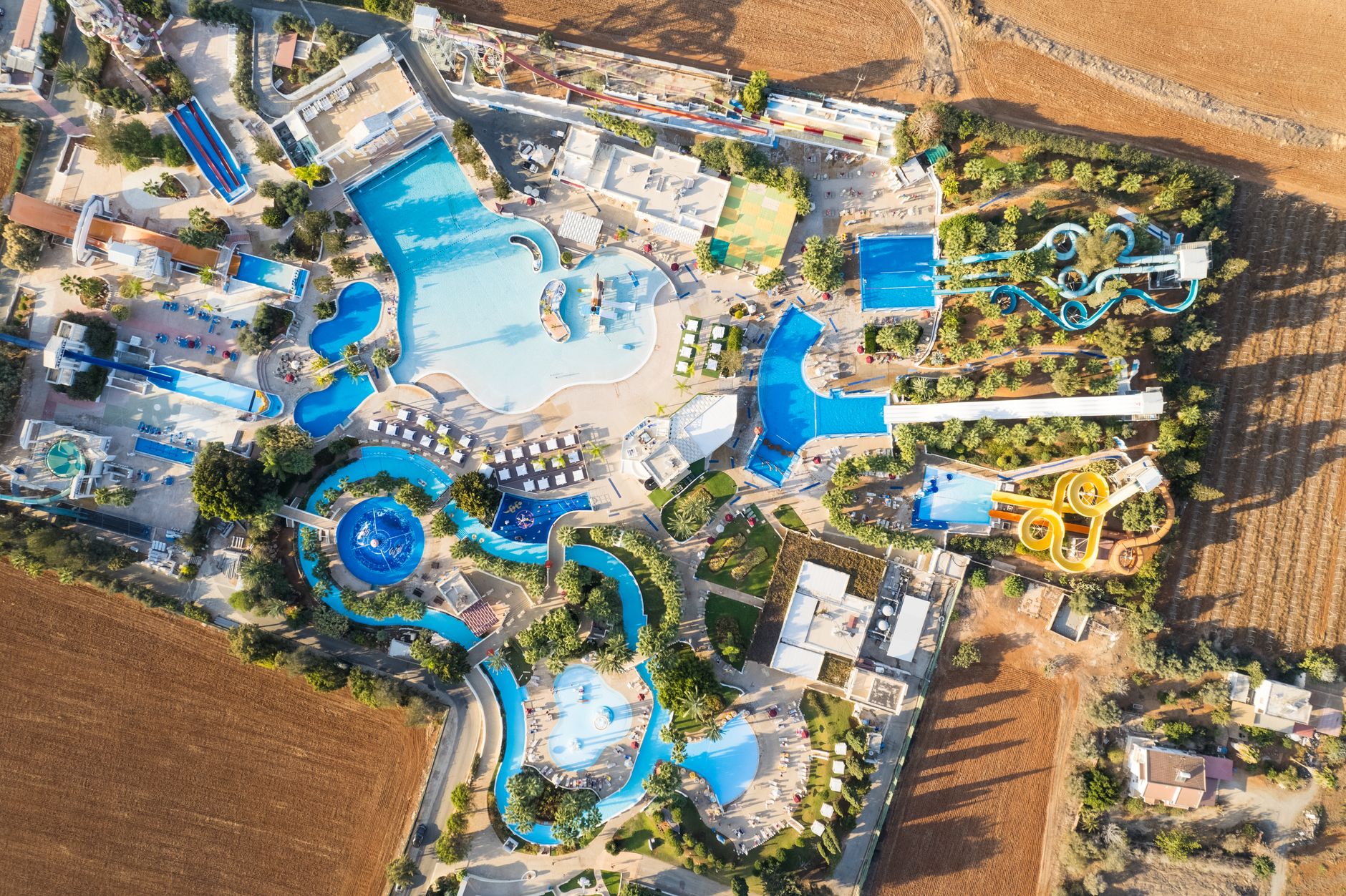
Photo by Ollie Craig
Beach days need an early start
A warm Mediterranean Sea and Cyprus’s golden beaches are among August’s great advantages. High water temperatures let children spend longer in the sea than on many European beaches in spring or autumn.
Still, popular beaches become crowded quickly. At Nissi Beach, Fig Tree Bay and Coral Bay, arrive early. This gives you time to choose shade or hire an umbrella before the busiest period. A shaded spot near toilets and a snack kiosk is usually worth prioritising over the most photogenic stretch of sand.
Pick beaches for the day, not the brochure
Nissi Beach has pale sand and bright water, but it can feel busy and energetic. Families with younger children may prefer a quieter Protaras cove or a hotel beach with easy access to shade and lunch.
Bring water shoes if your child dislikes pebbles or rocky entry points. They also help around hot paving, which can become uncomfortable even in sandals.
Keep a close eye on flags, currents and boat activity. Warm water does not mean risk-free water, particularly when children wander further out on inflatables.
Build a daily rhythm that children can manage
August rewards routine. A holiday timetable that works at home often falls apart when the air temperature is above 35°C, especially after poor sleep in a warm room.
We’d plan one main outdoor activity each day, then leave room for swimming, snacks and a slower evening. Trying to combine a long drive, ancient ruins and a beach afternoon usually leaves everyone cross.
Mornings are for sights and movement
Use mornings for historic sites, a harbour boat trip, a village visit or a coastal path. Bring a refillable bottle for each person, rather than relying on one large family bottle that stays in the buggy.
Breakfast should be substantial. A child who has had yoghurt, fruit, eggs or toast is less likely to unravel halfway through a hot outing.
If you are visiting ruins, carry a lightweight sun umbrella for younger children. Historic sites often have little cover, and stones hold heat.
Afternoons are for water, shade and rest
Return to the pool, beach or air-conditioned accommodation after lunch. This is a good time for a nap, quiet film or card game, particularly for toddlers and school-age children.
Older children may prefer a waterpark afternoon. Ayia Napa WaterWorld can be an appealing option, but book ahead and apply sun cream more often than you think necessary. Water reflects UV, and a cloudy moment does not offer reliable protection.
A late swim can reset the day. Then you can eat at a sensible pace rather than rushing into a restaurant with overtired children.
Getting around Cyprus without a hire car
Car-free travel in Cyprus in August is possible when you stay in a main town or resort and keep your plans local. Public transport can cover airport transfers, promenades, beaches and some intercity journeys. It is less useful for remote coves, mountain villages or multi-stop days out.
The Pame App provides live bus tracking, timetable information and journey planning. Download it before travelling, then save your accommodation address and the nearest bus stop.
Buses work best on simple routes
Use buses for direct journeys, such as the airport to the city centre, local Paphos routes or a trip along a coastal strip. Give yourselves extra time, particularly with a buggy, beach bags or hungry children.
Don’t plan a tightly timed day around an infrequent rural service. Check the last return bus before you leave, not after your afternoon swim.
Intercity buses are useful between main towns, but they won’t turn a remote village into a convenient base. If you want a car-free holiday, choose accommodation near the seafront rather than in the countryside.
Hire a car for Akamas, Troodos and rural stays
Car rental gives you freedom, though it also brings heat, car-seat logistics and winding roads. Cyprus drives on the left, which makes the adjustment easier for UK visitors, but narrow village streets and mountain bends still require patience.
Book an automatic and children’s seats early if you need them. August is busy, and a seven-seater can be harder to find than a small hatchback.
If you are staying in a village around Anarita, Polis or the Troodos foothills, treat a car as part of the accommodation cost. Rural public transport is too limited for a flexible family holiday outside the main corridors.
See western Cyprus before lunch
Paphos has enough history to interest adults without asking children to spend hours in a museum. The trick is keeping visits short and pairing them with a swim or an ice cream stop.
Paphos archaeological park is best known for its Roman mosaics, wide-open ruins and sea views. Go at opening time with hats, water and a clear exit plan. Most children manage an hour if you turn the visit into a search for animals, patterns and bathhouses.
Nearby, the Tombs of the Kings has dramatic underground chambers, but uneven ground and high temperatures can make it hard work with a pushchair. A carrier may be more practical for babies and toddlers.
For a gentler cultural outing, browse Paphos harbour in the evening and sample local cuisine through a shared mezze. Halloumi, grilled chicken, potatoes and flatbreads are usually safer choices for cautious eaters.
Take nature trips with realistic expectations
The Akamas Peninsula National Park and Cyprus’s mountain areas offer a change from crowded beaches. Both need careful timing in August.
Akamas works best as a short, early outing
The Akamas Peninsula National Park has beautiful coastal scenery, but it is not an all-day adventure for young children in August. Roads can be rough, shade is limited and the journey can feel long in a hot car.
Base yourselves near Paphos or Polis, leave early and focus on one stop. Latchi for lunch and a short boat trip can be a more family-friendly choice than trying to cover remote tracks. Avoid setting off into isolated areas without water, a charged phone and a clear route.
Troodos Mountains offer cooler air, not instant relief
The Troodos Mountains are cooler than the coast, especially at higher elevations. They are still sunny, and the drive can take longer than maps suggest.
Choose lunch in one of the traditional villages, a brief forest walk or a viewpoint rather than a demanding hike. Children who have spent days in pools may enjoy the change of scenery, but mountain roads can cause travel sickness. Keep sick bags and water within reach.
Check your accommodation’s air-conditioning rules
Air conditioning is not a luxury in August. It affects sleep, mood and how well children recover between hot days.
Read the listing carefully before booking. Some holiday lets include air conditioning in the price, while others charge separately, limit use to bedrooms or ask guests to pay electricity costs after departure. Ask in writing how many units are available, whether they work overnight and whether any extra charge applies.
A pool is useful, but a cool bedroom is more important. We’d choose reliable bedroom air conditioning over a larger terrace with no shade.
Keep doors and windows closed when units are running. This lowers electricity use and helps the room cool faster. If your child needs a fan or white noise for sleep, pack a small travel option rather than assuming one will be provided.
Pack for hot days, not just beach photos
Light clothes matter, but sun protection and hydration matter more. Pack enough basics for the first day, since shopping with tired children after an evening flight is nobody’s idea of a holiday.
Keep these items in your hand luggage or day bag:
- SPF 50 sun cream, after-sun lotion, wide-brimmed hats and UV-protective swim tops.
- Refillable bottles, oral rehydration sachets and easy snacks such as crackers or fruit pouches.
- Water shoes, a small first-aid kit, insect repellent and a lightweight cover-up for restaurants.
- A foldable buggy shade, a power bank and a waterproof pouch for phones and travel documents.
Before departure, read the current FCDO Cyprus travel advice and check the Cyprus entry requirements. Travel guidance can change, so don’t rely on an old screenshot or social media post.
Common questions about Cyprus in August
Is Cyprus too hot for a family holiday in August?
It can be too hot for families who expect to sightsee all day. However, it works well if you book air-conditioned accommodation, plan outdoor time early and treat afternoons as rest or water time.
Babies, toddlers and anyone prone to heat exhaustion need particular care. Keep plans flexible and avoid long, exposed walks.
Which part of Cyprus is best for families in August?
Protaras suits beach-first holidays. Paphos is the better all-round choice for families who want beaches, restaurants, history and access to western Cyprus. Larnaca is practical for a shorter or car-free break.
Avoid choosing only by hotel photos. Look at walking distance to food, shade, a beach and a supermarket.
Can you visit Cyprus without a car?
Yes, if you stay in Paphos, Limassol, Ayia Napa or another main coastal resort and don’t mind using public transport or taxis. A hire car is more useful for villages, Akamas, the Troodos Mountains and flexible beach-hopping.
Is the sea warm enough for children in August?
Yes. Sea temperatures of around 27°C make Cyprus one of the easiest Mediterranean destinations for family swimming in late summer. Use rash vests and regular shade breaks because children can burn while spending hours in the water.
More family guides for Cyprus
You may also want to read these related Cyprus Travel Hub guides:
- Family-friendly beaches in Paphos, including Coral Bay
- Ayia Napa vs Protaras: picking your east-coast beach base
- Where to stay in Protaras for beach holidays
- Driving in Cyprus: car hire, child seats and road tips
- Easy Troodos villages and mountain stops for families
A calmer way to enjoy August in Cyprus
A successful August holiday is built around shade, water and a slower pace. Cyprus is a relaxed family summer getaway when daily sunshine makes midday better for cooling off than activities.
Choose dependable accommodation, book your car or stay early, and let each day have breathing room. Families enjoy the island most when they head out early, take cooling-off breaks and leave space for an unplanned second swim.