The final bends into the Troodos Mountains change the pace of a Cyprus holiday. Stone houses cling to green slopes, the Setrachos river runs below, and the air feels cooler than the coast.
For a restorative mountain break, Kalopanayiotis Cyprus offers a rare mix of heritage, gentle outdoor time and proper spa comfort. It suits travellers who want a slower itinerary without spending every day behind the wheel.
We’d allow at least two nights, because this is a village best enjoyed between the planned sights.
Why Kalopanayiotis Cyprus suits a slow mountain break
Kalopanayiotis sits in the Marathasa Valley, high in the Troodos range and roughly 70 km from both Nicosia and Limassol. The village spreads across steep ground above the Setrachos valley, so its views change with every lane and footpath.
You’ll also see the spelling “Kalopanagiotis” on official pages, maps and road signs. Both versions refer to the same village, which lies in Cyprus’s Nicosia District.
The setting has more texture than a single viewpoint. Terraced hillsides, fruit trees, tiled roofs and the sound of running water soften the built-up feel found in coastal resorts. The official Kalopanagiotis village guide also highlights the area’s sulphur springs, traditional architecture and valley views.
Let the village set the pace
Kalopanayiotis has slopes, stone steps and narrow roads. That means it isn’t ideal for rushing between attractions in the midday heat. It is much better for an unhurried morning at the monastery, a long lunch and an afternoon in the spa.
We find the village especially appealing for couples, solo travellers and families with older children who enjoy walking. Pushchairs and anyone with limited mobility may find the steep lanes difficult, so choose accommodation carefully and ask about road access before booking.
Its mountain position also makes Kalopanayiotis a useful base for exploring Pedoulas, Moutoullas and the wider Marathasa area. However, the village itself deserves more than a quick photo stop.
Getting here from Nicosia and the coast
A hire car gives you the most freedom in this part of Cyprus. It also lets you arrive early, stop at viewpoints and visit nearby villages without relying on a sparse timetable.
Cyprus drives on the left, which helps UK visitors settle in quickly. Still, mountain roads demand patience, particularly after dark or in wet winter weather.
Driving from Nicosia
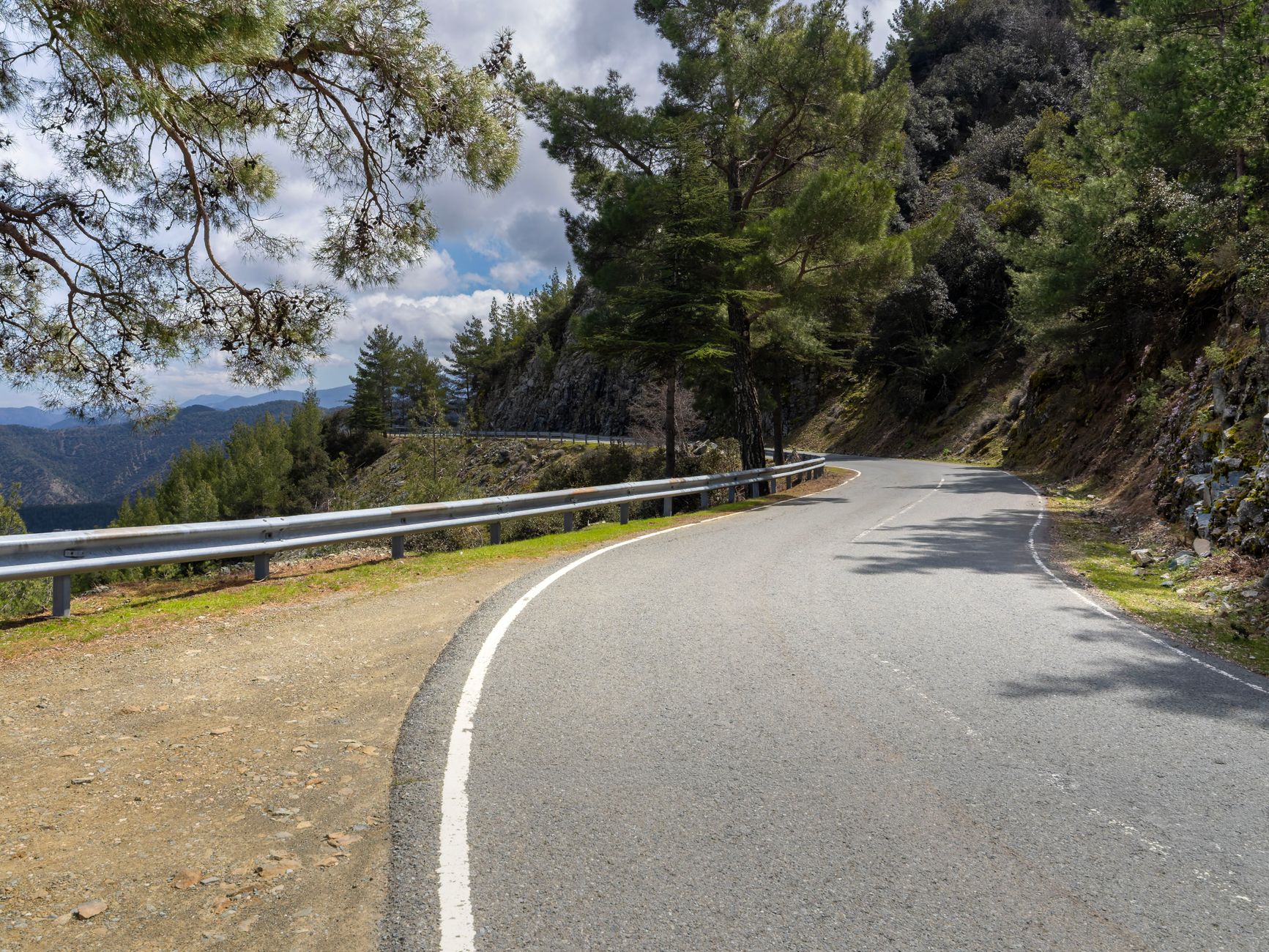
The journey from Nicosia is around 70 km, but the final stretch is slower than the distance suggests. Allow generous time for bends, village traffic and finding your accommodation, especially if you arrive after sunset.
Use your sat-nav for the main approach, then follow your host’s directions for the final lanes. Some traditional properties sit above narrow streets where parking is limited. We recommend downloading your map before leaving the city, as mobile signal can weaken in the folds of the valley.
Using buses to reach the village
Public transport can work if you are travelling slowly, but it needs planning. Check the Cyprus Public Transport route and timetable finder for your travel date, departure point and return journey before committing to a day trip.
Do not rely on a bus connection without checking the last service back. Timetables can change, and a missed return bus can turn a relaxing day into an expensive taxi search. If you are not hiring a car, staying overnight is the more comfortable choice.
Agios Ioannis Lampadistis Monastery and its painted churches
The Agios Ioannis Lampadistis Monastery is the main historical reason to visit Kalopanayiotis. It stands across the river from the village and forms part of the UNESCO-listed Painted Churches in the Troodos Region.
UNESCO’s collection includes ten rural churches and monasteries with Byzantine and post-Byzantine wall paintings. The designation matters because these buildings preserve a style of religious art that developed far from the island’s coastal cities.
A complex built across several centuries
This is not one neat church built in a single period. The monastery combines the church of Agios Irakleidios, the church dedicated to St John Lampadistis and a Latin chapel. Their joined interiors create a sequence of small, richly painted spaces.
Look closely at the frescoes rather than trying to photograph every wall. Faces, robes and scenes appear in faded but striking colours, while timber roofs and low doorways add to the sense of age.

Visit with time and respect
Opening arrangements can vary, so check locally through your accommodation or the village before setting out. Dress respectfully, speak softly and follow any photography instructions posted at the entrance.
The monastery rewards a quiet visit. Give yourself enough time to walk there, look inside without a crowd behind you and take in the river valley on the way back.
The Venetian bridge and old village lanes
The 16th-century Venetian bridge is a small monument with a big role in the village’s story. Built from local stone, it once provided the key link between Kalopanayiotis and the monastery across the river.
The Cyprus Tourism bridge history explains that it remained the only route between the village and monastery until relatively recently. That practical purpose makes the bridge more interesting than a decorative photo stop.
Follow the lanes, not a rushed checklist
After the bridge, take time to wander uphill through the older streets. Shuttered stone houses, balconies and narrow passages give Kalopanayiotis its character. Keep voices low around homes, as these are lived-in streets rather than an open-air museum.

The Kykko watermill is another worthwhile heritage stop. Access and viewing arrangements can change, so treat it as a flexible addition rather than the centrepiece of a tightly timed day. Local signage and advice from your host will point you in the right direction.
Spa time and the village’s sulphur springs
Kalopanayiotis has long been associated with mineral-rich sulphur springs and bathing. That history gives the village a natural connection to wellness, although it is best approached as relaxation rather than a medical treatment.
Today, the best-known option is Myrianthousa Spa at Casale Panayiotis. Its thermal facilities include a hydrotherapy pool, sauna, steam rooms, foot baths and contrasting temperature experiences, alongside massage and body treatments.
Book the spa before making other plans
Spa sessions are popular at weekends and during school holidays. The spa currently lists daily opening between 10:00 and 19:00, although seasonal hours can change. Reserve your preferred treatment and thermal-suite time before you finalise lunch or walking plans.
We’d choose either a morning spa session after an easy stroll or a late-afternoon appointment after visiting the monastery. That leaves enough time to enjoy the facilities rather than watching the clock.
If you have a health condition, are pregnant or take medication that affects heat tolerance, ask the spa what treatments suit you before booking. A thermal circuit should feel restorative, not demanding.
Keep expectations grounded
The springs have attracted visitors since antiquity, but there is no reason to treat sulphur water as a cure for illness. The appeal lies in the setting, warmth and chance to rest after time outdoors.
The Visit Cyprus village information places Kalopanayiotis among the island’s mountain resorts known for springs and traditional surroundings. Don’t assume there is a public wild-bathing pool available, as access to water features can differ by season and property.
Village walks and wider Troodos trails
Walking is one of the best ways to understand the steep geography around Kalopanayiotis. Even a short route involves gradients, so sturdy trainers or walking shoes are a better choice than sandals.
Carry water, wear sun protection and take a light layer outside summer. The valley can feel cool in shade, even after a hot morning elsewhere on the island.
Start with a gentle heritage walk
A relaxed village walk can link your accommodation, the older lanes, the Venetian bridge and the monastery. Allow 60 to 90 minutes if you like stopping for photographs, reading signs and taking the hill at an easy pace.
Begin before 10:00 in summer, when the stone lanes are cooler and quieter. Avoid relying on a printed route alone, as steps, minor diversions and access points may change. Your host can usually suggest the most suitable route for your fitness level.
Plan longer walks around conditions
The surrounding Troodos countryside has nature trails, forest roads and more demanding hill routes. For a longer walk, ask locally about active waymarking, recent rain and any maintenance work before leaving the village.
Confident cyclists can enjoy the mountain roads, but the gradients are serious and traffic may appear around blind bends. For most visitors, a scenic drive to Pedoulas or Moutoullas is a more relaxed way to expand the day.
We would not assume that nearby villages are connected by an easy walking route. Use the car for the wider circuit, then explore each village on foot.
Where to eat in Kalopanayiotis
A mountain-village meal is part of the experience, especially after a day outside. Expect Cypriot staples such as grilled halloumi, village sausage, slow-cooked meat, seasonal greens, potatoes and generous meze plates.
Menus change with the season and the kitchen’s supplies. Ask what has been prepared that day instead of ordering by habit.
Reserve dinner before you arrive
Byzantino Restaurant at Casale Panayiotis is the easiest choice for a polished sit-down meal in the village. The Casale Panayiotis dining page lists Byzantino as open daily from 12:00 to 22:00, but it is sensible to confirm before travelling.
For a more informal tavern setting, To Palio Cinema is on the road towards Troodos. The village listing for Palio Cinema Tavern provides current contact details, which are useful because small mountain restaurants can have limited seasonal hours.
We’d book dinner in advance on Fridays, Saturdays and public-holiday weekends. A reservation also helps if you need a table with a view, have dietary requirements or plan to eat after a spa treatment.
A two-night Kalopanayiotis itinerary
Two nights give Kalopanayiotis room to breathe. You can see the monastery and bridge in one day, but the village feels more memorable when you leave time for meals, the spa and a slow morning.
Make the first day about the village
Arrive by late morning if possible, drop your bags and walk the historic lanes before lunch. Visit the Venetian bridge and monastery during the cooler part of the day, then settle into your accommodation before dinner.
On the second day, start with a proper breakfast and a short valley walk. Book the spa for later in the day, then enjoy an unhurried meal without worrying about mountain roads afterwards.
Match the plan to the season
Spring brings green slopes and pleasant walking weather, although showers can make stone paths slippery. Summer works best with early starts, long lunches and spa time when the afternoon heat builds.
Autumn often suits food-focused breaks and valley walks. Winter can be atmospheric, but daylight is shorter and mountain roads need extra care after heavy rain or snow.
For a longer stay, add Pedoulas and Moutoullas as separate half-day outings. Kalopanayiotis Cyprus works best as your overnight base, while the neighbouring villages add variety without turning the break into a road trip.
Related Cyprus travel guides
- Best time to visit the Troodos Mountains
- Where to stay in the Troodos Mountains for walks and villages
- Omodos village guide for a slow, easy day
- Driving in Cyprus for UK visitors
- Cyprus wine regions for a short, flavourful escape
Final thoughts
Kalopanayiotis rewards travellers who slow down. Its strongest combination is living heritage and real rest, with a UNESCO monastery, a river-valley walk and spa time all close together.
We’d avoid treating it as a rushed stop between cities. Stay for two nights, check local opening times and let the village’s lanes set the rhythm of your visit.
Pingback: Cyprus October Weather: Sea, Sun and Holiday Tips