January strips Cyprus back to its essentials: bright sea, empty promenades, village cafes and mountain air that can bite. If we want guaranteed beach heat, summer is the answer. However, Cyprus January weather suits travellers who value space, mild daylight and a slower rhythm.
We can walk beside the sea in a light jacket at lunchtime, then hear rain on the shutters that evening. That contrast is part of the appeal, provided we pack for it.
Key Takeaways
- Coastal daytime temperatures usually sit around 12 to 16C, although sunny afternoons can feel warmer.
- January is Cyprus’s wettest period, so rain-proof layers matter as much as sunglasses.
- Paphos, Limassol, Larnaca and Protaras offer the mildest bases for a quiet coastal break.
- The Troodos Mountains can be cold and snowy, creating a completely different winter day out.
- Car hire gives us the most freedom, but we’d check mountain-road conditions before heading inland.
Cyprus January Weather: What It Is Really Like
The short answer is that January in Cyprus is mild by UK standards, but it isn’t reliably hot. Expect changeable conditions. A still, sunny afternoon on the coast may reach 16C or 17C, while a cloudy day can feel much cooler in the wind.
January temperatures average around 10C on the central plain and 3C in higher parts of Troodos. On the coast, daytime conditions are generally more comfortable. Nights often fall to single figures, especially away from the seafront.
Rain arrives in bursts rather than drizzling all day. Some weeks bring broad blue skies and excellent walking weather. Others bring stormy sea views, wet pavements and a reason to settle into a long lunch. January receives much of the island’s annual rainfall, so treating every day as beach weather leads to disappointment.
| Area | Typical January feel | Best reason to visit |
|---|---|---|
| Paphos | Mild, with sunny spells between showers | Archaeology, coastal walks and Akamas |
| Limassol | Mildest evenings on much of the south coast | City dining, wine villages and Kourion |
| Larnaca | Bright coastal days, crisp evenings | Salt Lake flamingos and easy airport access |
| Protaras & Ayia Napa | Quiet coves, limited seasonal opening | Peaceful beach walks away from crowds |
| Nicosia | Cooler, with sharper mornings | Museums, galleries and the old city |
| Troodos | Cold, wet and sometimes snowy | Mountain villages and winter scenery |
January works best when we plan for outdoor time around the forecast, rather than building a holiday around swimming and sunbathing.
There are still around five to six hours of sunshine on many days. This makes a real difference after a British winter, particularly when we can sit outside over coffee or stroll a harbour without queues.
Where to Stay for a Peaceful January Coastline
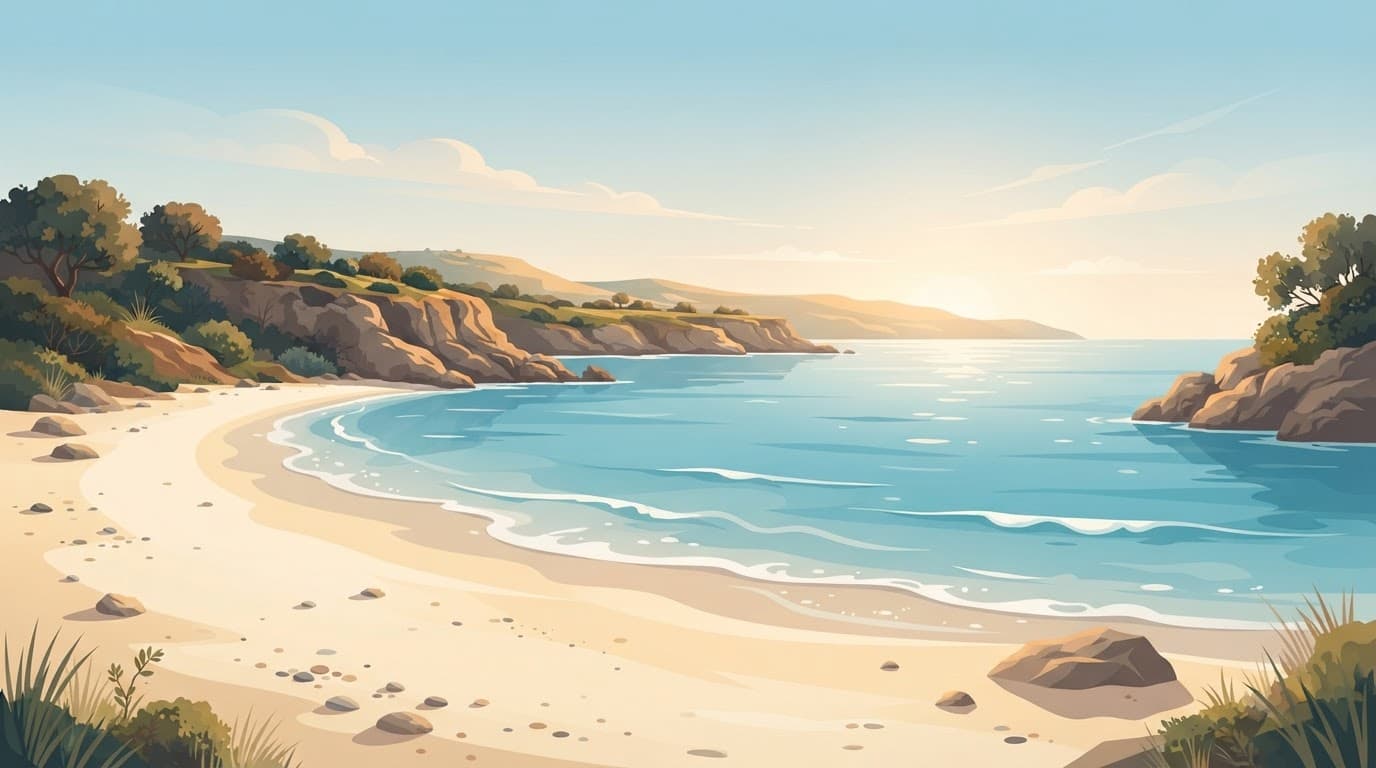
Each coast has a different feel in winter. Hotel choice matters more than usual because some seasonal properties, beach bars and excursion boats close after New Year.
Paphos for harbour walks and ancient sites
Paphos is our first choice for travellers who want their days to have shape beyond the beach. The harbour remains pleasant for a walk, and the archaeological park is far easier to enjoy without summer heat. The Tombs of the Kings, coastal path and old town market give us plenty to do between showers.
We’d look for a hotel around Kato Paphos if we want to walk to restaurants and the harbour. Chloraka or Coral Bay suit a quieter stay, but we should check what remains open nearby. A hire car makes these areas much easier in the evening.
Limassol for city life beside the sea
Limassol stays more active through winter because it is a working city as well as a resort. The old town, marina and long seafront promenade are good choices when we want cafes, galleries and restaurants within easy reach.
It is a practical base for day trips too. We can reach mountain villages, ancient Kourion and Larnaca without changing hotels. For a long weekend, Limassol offers more year-round life than smaller resort towns.
Larnaca and Protaras for an unhurried escape
Larnaca feels lived-in during January. The palm-lined Finikoudes promenade stays busy enough for people-watching, while the old Turkish quarter and salt lake bring character beyond the beach. Flamingos often gather at Larnaca Salt Lake in winter, although numbers vary with water levels.
Protaras and Ayia Napa are much quieter. This is ideal if we want coves and coastal trails with few people around, but it demands more planning. Many venues operate limited hours or close for the season. We’d book accommodation with breakfast, a kitchenette or nearby year-round restaurants.
January daytime highs sit at about 15C on the coast. It is pleasant sightseeing weather, not pool-weather certainty.
North Cyprus for Kyrenia and historic towns
Kyrenia makes a scenic winter base in North Cyprus, with its harbour, castle and mountain backdrop still open through January. Famagusta and northern Nicosia add further history, though opening hours and transport thin out in the colder months.
If we’re crossing from the south, we’d check current crossing requirements and confirm whether our hire car insurance covers driving into North Cyprus before setting off. For a wider look at accommodation and seasonal ideas across the island, the official Visit Cyprus destination information is worth a browse before booking.
Coastal Days Still Feel Like a Holiday
The sea usually sits around 16 to 18C in January. Some hardy swimmers go in, but most visitors will find it brisk. Heated hotel pools are worth prioritising if swimming matters to us.
Instead, we can use the coast as a place to move. The Paphos Archaeological Park to harbour route, Cape Greco paths and the Larnaca seafront all reward a clear morning. We’d start early, carry water, and bring a warm layer for stops beside exposed water.
A January lunch can be one of the holiday’s small pleasures. We’d choose a taverna with a sheltered terrace, order grilled halloumi or a bowl of warm trahana soup, and linger while the light changes on the sea. Winter makes room for these ordinary moments.
Sunset comes earlier than in summer, usually around 5pm. Therefore, we’d plan the longest walk or site visit before lunch, and save museums, wine bars and a late meal for the cooler hours.
Troodos Adds a Proper Winter Day
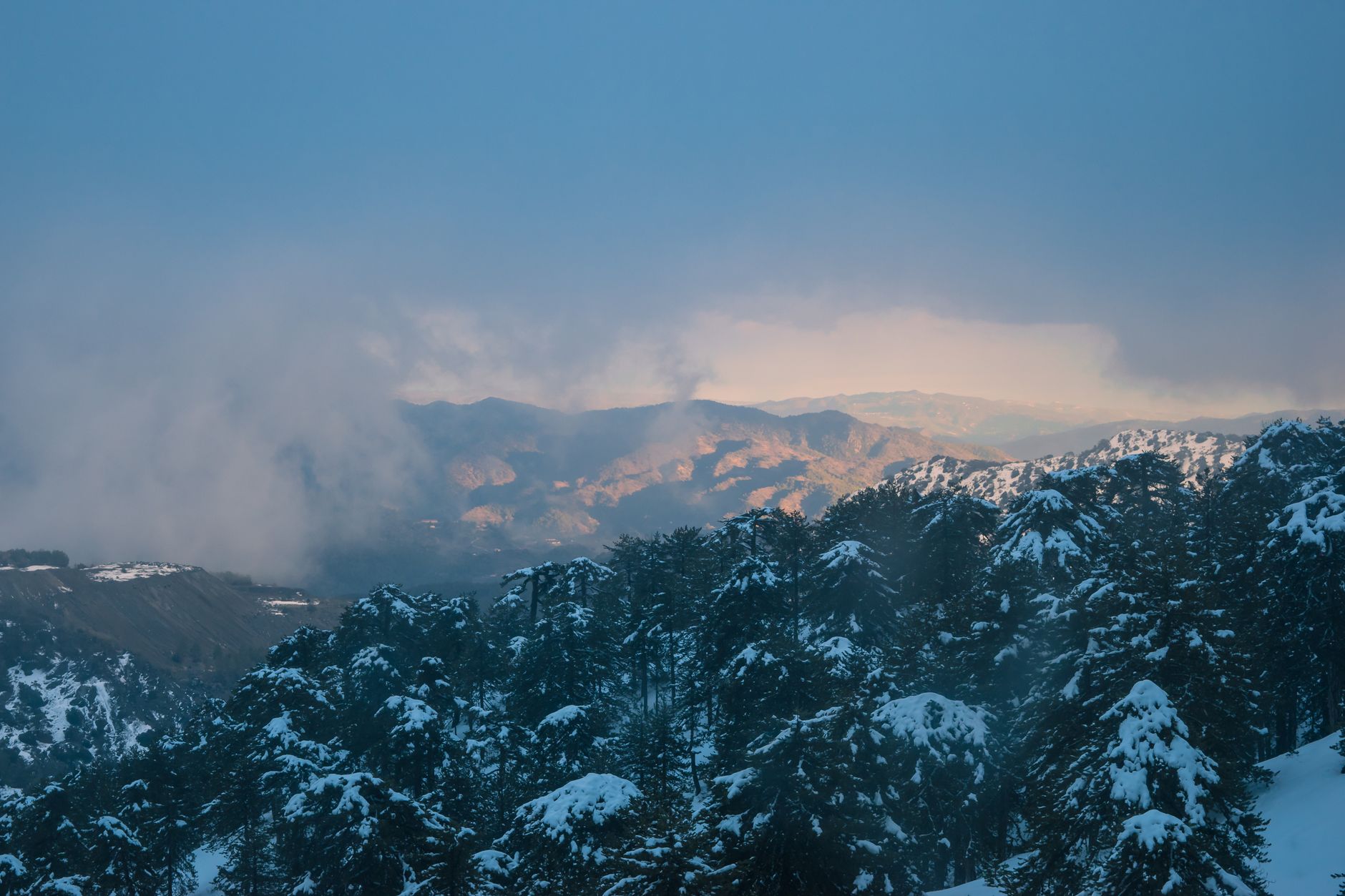
A coastal break does not have to mean staying at sea level. The Troodos Mountains can have snow in January, especially near Mount Olympus, and temperatures are far lower than at the coast. The change is striking: citrus trees and mild air give way to pine forests, wood smoke and icy verges.

If conditions are clear, we’d drive to villages such as Kakopetria, Kalopanayiotis or Omodos for stone lanes and a traditional lunch. We shouldn’t assume mountain roads will be easy after snow. We’d check local conditions, take warm clothing and keep the fuel level high.
The island’s contrasts are most obvious on these days. We might leave a 15C coast after breakfast and stand in snow before lunch.
We’d skip high-altitude driving if rain is heavy or visibility is poor. A lower-elevation village day offers the same change of pace without a difficult road.
What to Pack for Cyprus in January
Packing for a January break is less about bulky winter gear and more about useful layers. A warm fleece or jumper, waterproof jacket and closed walking shoes will cover most days. We’d add sunglasses, because strong sunshine off the water can catch us out.
A compact umbrella suits town visits, although a hooded jacket is better on coastal paths. Evenings call for trousers, socks and a proper outer layer. Restaurants may heat terraces, but we shouldn’t rely on it.
If visiting Troodos, we’d pack a hat, gloves and sturdier shoes, and never drive in mountain conditions in sandals or with no warm layer in the car.
A few practical checks make the trip smoother:
- Confirm that our hotel pool is heated and that its restaurant operates in January.
- Check whether the hire car includes suitable cover for mountain routes.
- Download offline maps, particularly before driving into the mountains.
- Look at the forecast every morning, then switch coastal and inland plans if rain moves in.
Costs, Flights and Getting Around
January can offer lower accommodation prices than Easter, school holidays and summer. Yet lower demand does not mean every property is available. Smaller boutique hotels often take a winter break, while large resorts may run reduced facilities.
Flight schedules from the UK also thin out after the festive period. Larnaca has the broader range of connections, whereas Paphos works well for western Cyprus. We’d compare both airports before booking, because the cheaper fare can become less attractive after a long transfer.
We’d recommend a hire car for stays outside Limassol or central Paphos. Public buses cover core routes, but Sunday services and rural connections can be limited. Driving remains on the left, which feels familiar for UK visitors, although roundabouts and mountain roads still need care.
Travel insurance should cover winter activities if we expect to ski, hike in snow or hire a car. We’d check the policy wording before travelling, rather than assuming a standard policy includes every activity.
A Practical Four-Day Winter Route
A hire car turns a good January trip into a flexible one. We’d book two nights in Paphos followed by two in Limassol, then adapt the driving days around the forecast rather than fixing every stop in advance.
| Day | Route and plan | Wet-weather alternative |
|---|---|---|
| Day 1 | Paphos harbour, the Archaeological Park and the Tombs of the Kings. | Paphos Archaeological Museum, then a long lunch in the old town. |
| Day 2 | A coastal walk towards Coral Bay or the fringes of Akamas. | A wine tasting in the villages around Kathikas. |
| Day 3 | Drive east via Kourion, then check into Limassol. | More time in Limassol old town and its galleries. |
| Day 4 | Head into Troodos, choosing Omodos, Platres or Kakopetria based on road conditions. | Limassol’s marina, cafes and covered food stops before departure. |
We’d start historical sites early, since winter opening hours can be shorter and the light is best before midday. The route works just as well in reverse if we fly into Larnaca and out of Paphos, and it scales down easily for a long weekend by keeping to Paphos and one inland day.
Questions About Visiting Cyprus in January
Is Cyprus warm enough for a January holiday?
Cyprus is warm enough for sightseeing, walks, outdoor lunches and relaxed coastal stays. It is not reliably warm enough for beach days in swimwear. Coastal afternoons can feel pleasantly mild, while evenings need a jacket.
Does it rain every day in Cyprus in January?
No. January is a rainy month, but weather shifts quickly. We may have several bright days between showers, especially on the coast. We’d build a flexible plan and keep an indoor option ready.
Can we swim in the sea in January?
We can, but the water is cool at roughly 16 to 18C. Most travellers prefer a heated pool. Strong swimmers may enjoy a short dip on a calm, sunny day.
Which part of Cyprus is warmest in January?
Coastal areas are generally warmer than inland Cyprus and the mountains. Paphos, Limassol, Larnaca and the south-east coast are sensible choices. Local wind and cloud cover can matter as much as a degree or two.
A Gentler Side of Cyprus in Winter
Cyprus in January rewards travellers who want more than guaranteed heat. The coast remains bright, the pace softens, and historic places become easier to enjoy without crowds or high temperatures.
We’d pack for sun and showers, stay near a year-round town, and keep one flexible day for the mountains. Cyprus January weather may be changeable, yet that variety gives a winter break its character.
Pingback: Cyprus in March: Weather, Swimming and Spring Break Ideas