March gives Cyprus a gentler kind of sunshine. We can walk coastal paths in a T-shirt at midday, then need a light jacket when the sun slips behind the hills.
For Cyprus in March, expect spring rather than full beach-season heat. It suits travellers who want quieter resorts, green countryside, ancient sites without summer glare, and the chance of a bracing sea dip.
Key Takeaways
- Daytime coastal temperatures often reach 18 to 21C, although evenings can feel cool.
- The sea is around 17C, so swimming is possible but cold for most people.
- Paphos, Limassol, Larnaca and Protaras offer different types of March breaks.
- Spring flowers, hiking, food and archaeological sites are stronger reasons to visit than sunbathing.
- We’d pack layers, a waterproof, comfortable walking shoes and swimwear if we enjoy cold water.
Weather in Cyprus in March
March is a transition month. Winter rain has usually brought green fields and wildflowers, while longer sunny spells begin to take hold. March is generally moderate, sunny and a time when nature is at its best.
On the coast, daytime highs commonly sit around 18 to 21C. Paphos, Limassol, Larnaca and the Famagusta coast often feel pleasantly warm in the afternoon, particularly in sheltered spots. Nicosia can be warmer during the day, although it also has sharper temperature changes after dark.
Mornings may start around 8 to 12C. Therefore, a warm layer for breakfast, open-air tavernas and evening walks is essential. Rain is still possible, usually as short showers rather than days of unbroken drizzle. March often brings about six to nine wet days, depending on the area and the year.

The big advantage is the light. We can often expect seven or more hours of sunshine a day, so outdoor plans remain realistic. However, we shouldn’t plan a March holiday around wall-to-wall heat. A cloudy or breezy day can arrive without warning.
March rewards flexible plans. We’d keep a beach walk, village lunch and museum visit on the list, then choose according to the morning forecast.
The Troodos Mountains are much cooler than the coast. Snow can linger on higher peaks early in the month, while villages such as Kakopetria and Platres feel fresh even when Limassol is warm. We’d bring proper footwear if mountain walks are part of the trip.
Can We Swim in Cyprus in March?
The short answer is yes, but many UK visitors will find it cold. The Mediterranean around Cyprus is usually about 17C in March, which feels more like an invigorating dip than a leisurely float.
If we regularly swim in British waters, a quick sea swim may be perfectly enjoyable on a sunny, calm afternoon. We’d enter slowly, stay close to shore and dry off promptly afterwards. The water can feel colder after a windy spell, even where the air temperature is inviting.
For a more relaxed swim, we’d choose a hotel with a heated indoor pool. Some larger resorts heat outdoor pools too, but we should check directly before booking because policies change by property and season. Unheated pools can be colder than the sea in early March.
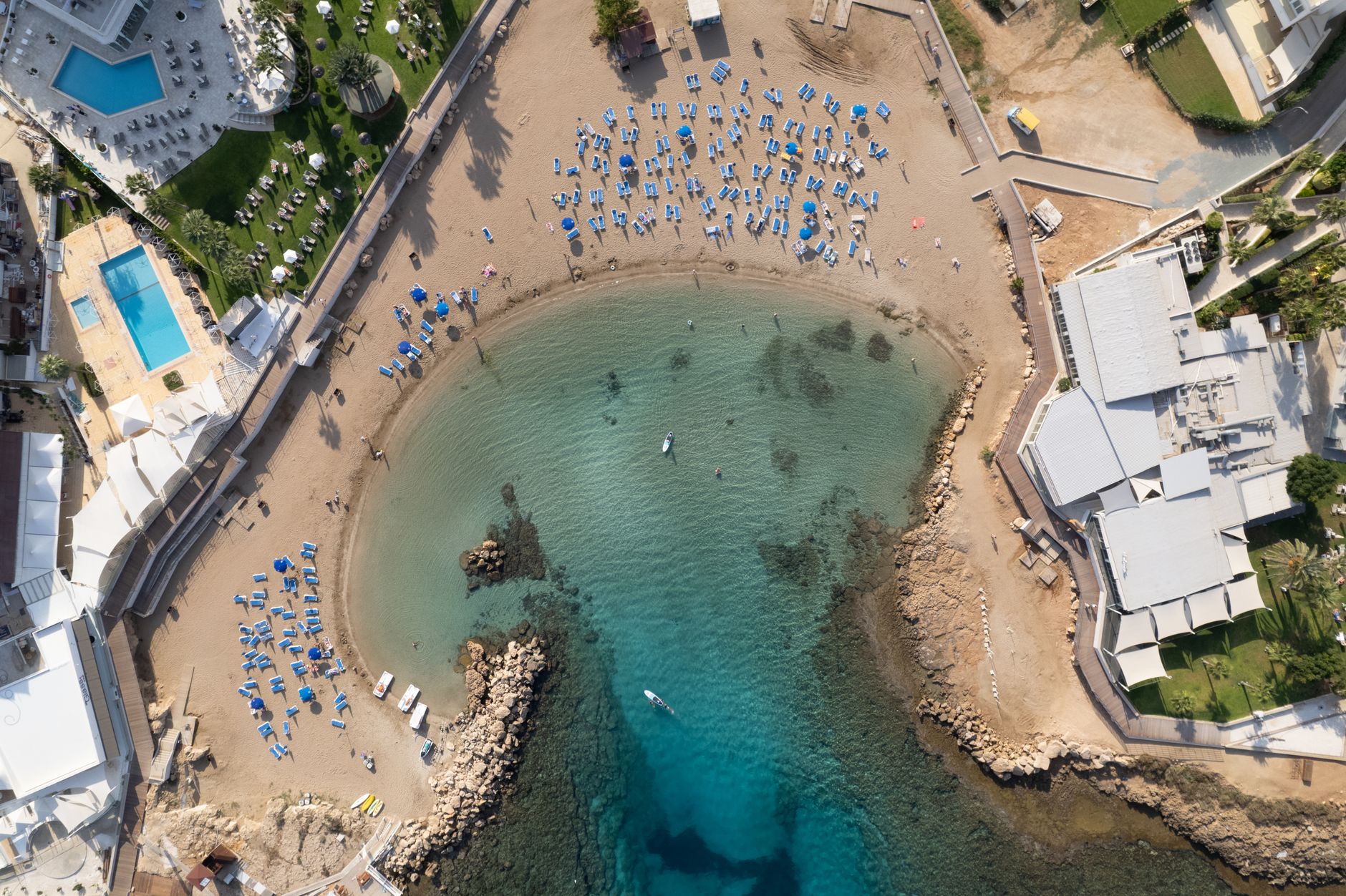
Protaras and Ayia Napa have clear, protected bays, so they are good places for a quick dip when conditions are calm. Still, lifeguard coverage and seasonal beach facilities may be limited. We’d respect warning flags, avoid swimming alone, and not assume every beach bar or toilet will be open.
If sea swimming is central to our holiday, late April onwards offers better odds. For Cyprus in March, we’d treat swimming as a bonus rather than the main event.
Where to Base Ourselves for a March Break
The right base depends on how we want to spend our days. In March, we favour towns with enough year-round life to keep rainy afternoons interesting.
Paphos for archaeology and coastal walks
Paphos is a strong choice for first-time visitors. We can explore the mosaics at Kato Paphos Archaeological Park, follow the waterfront towards the Medieval Castle, and drive to the Akamas Peninsula on clear days. The city also has plenty of cafes and restaurants that remain open outside peak season.
We’d stay near the harbour if we prefer evening strolls. Coral Bay suits a quieter resort feel, although a car makes it easier to explore. The coast can be breezy, so we’d pack a windproof layer.
Limassol for food and city energy
Limassol feels lived-in throughout the year. Its long seafront promenade, old town lanes and marina make it a useful base when the weather shifts. We can also head inland to wine villages such as Omodos and Lofou, where stone houses and local tavernas make an excellent rainy-day alternative.
For Carnival, timing matters. The main Limassol celebrations usually fall in February or early March, depending on the Orthodox calendar. If our dates match, we’d book accommodation early because the city becomes far busier.
Larnaca, Protaras and Ayia Napa for an easy coast
Larnaca is practical for short breaks because the airport is close to town. Its palm-lined Finikoudes promenade is pleasant for a morning walk, and the salt lake can attract flamingos in the cooler months.
Further east, Protaras offers the island’s familiar turquoise water without high-season crowds. Ayia Napa is much quieter than in summer, though some venues and attractions may still be closed. These resorts suit a self-catering break, a hired car and unhurried beach walks.
Spring Break Ideas Beyond the Sunbed
March is when the island looks most alive. Almond blossom appears in villages, fields brighten after rain, and hillsides develop a patchwork of green. We’d bring a camera, but also allow time to stop at village bakeries and small roadside cafes.
A few ideas work especially well at this time of year:
- Walk the Aphrodite Trail or Adonis Trail near Akamas on a clear day. We’d start early, carry water and check trail conditions after rain.
- Drive through the Troodos villages for mountain views, churches and slow lunches. Roads can be winding, so we’d leave extra time.
- Visit Kourion near Limassol, where the ancient theatre overlooks the sea. Wind can be strong, but the setting is extraordinary.
- Spend a morning in Nicosia, crossing Ledra Street if we have the required travel documents and following current crossing rules.
- Book a vineyard visit near Omodos or Vouni, then use a taxi or designated driver for the return journey.
For a spring break with children, we’d give each day one main activity. The zoo, water parks and boat trips may run limited hours or remain closed before Easter, so we should confirm opening dates before travelling. Beach promenades, Paphos archaeological sites and Larnaca’s seafront are more dependable options.
March is also excellent for food-led travel. We’d order seasonal artichokes when they appear, try halloumi grilled over charcoal, and seek out a proper village meze only when we have time for a long lunch. Family-run tavernas are often livelier at weekends, when local diners fill the tables.
What to Pack and Book Before We Go
We’d pack for changing conditions rather than one fixed forecast. A light waterproof, thin jumper, breathable tops and comfortable trainers cover most March days. Add swimwear, sunglasses and high-factor sun cream, because strong sunshine can catch us out during a long walk.
A hire car gives us much more freedom outside the main resorts. UK drivers should remember that Cyprus drives on the left. We’d check the rental agreement for excess charges, fuel rules and any limits on crossing the Green Line before collecting the keys.
We’d choose accommodation with heating or air conditioning that also provides warmth. Many flats and villas feel cool after sunset, particularly if they have tiled floors. A balcony with sea views is lovely, but a heated pool or a central location may be more useful in March.
Frequently Asked Questions
Is Cyprus hot in March?
Cyprus is mild to warm in March, rather than hot. Coastal afternoons can reach 18 to 21C, but evenings are often cool. It is ideal for sightseeing and walking, while reliable sunbathing weather is less certain.
Is March a good time for Cyprus?
March is a good time if we want fewer crowds, spring scenery and comfortable exploring temperatures. It is less suitable if we want guaranteed hot weather, lively summer nightlife or warm sea swimming.
Which part of Cyprus is warmest in March?
Coastal areas generally feel warmer than the mountains and inland areas. Larnaca, Limassol, Paphos and the east coast are all sensible choices, although sheltered spots and daily wind make more difference than small regional averages.
Final Thoughts
Cyprus in March offers sunshine with room to breathe. We may not get a week of hot beach weather, but we can explore ancient ruins, mountain villages and empty coves in comfort.
We’d pack layers, keep swimming expectations realistic and choose a base with year-round character. Spring is the point of the trip, especially when the island’s hills are green and the summer crowds have not yet arrived.
Pingback: Cyprus in February: Weather, Sea Temperatures and Where to Stay